


Avoid leaving luggage in a parked car while sightseeing. Use secure accommodation, keep valuables with you and plan the handover between check-out, Cape Point and your next stay.
What Is the Best Time of Year to Visit Cape Town?
Posted on Sat August 22, 2026 in Simon's Town Knowledge Hub.

Summer beach days, autumn light, winter whales or spring wildflowers: a month-by-month look at the best time to visit Cape Town and the peninsula.
There is no single bad time to visit Cape Town, but the best time depends on what you want from the trip. For classic beach weather, aim for November to March. For whale watching in False Bay, come between June and October. For fewer crowds, mild days and golden light, the shoulder months of April, May and October are hard to beat. The African penguins at Boulders Beach, happily, are wonderful in every season.
Here is how the year actually plays out on the ground, from hosts who watch the seasons roll across False Bay from the Aqua Terra breakfast table.
Summer in Cape Town (November to March)
Long, dry and sunny, with daylight stretching past eight in the evening in midsummer. This is prime time for beaches, hiking, sundowners and the V&A Waterfront. Two things to know: December and January can be busy and book out months in advance, and the south-easter wind, affectionately called the Cape Doctor, blows some afternoons, usually clearing the air beautifully. Book accommodation and popular restaurants early.

Autumn (April to May)
Our quiet favourite. The wind drops, the light turns soft and golden, the sea is at its warmest after summer, and the crowds thin out. It is an excellent time for photographers, cyclists on Chapman's Peak Drive, and anyone who wants the peninsula's viewpoints almost to themselves.

Winter (June to August)
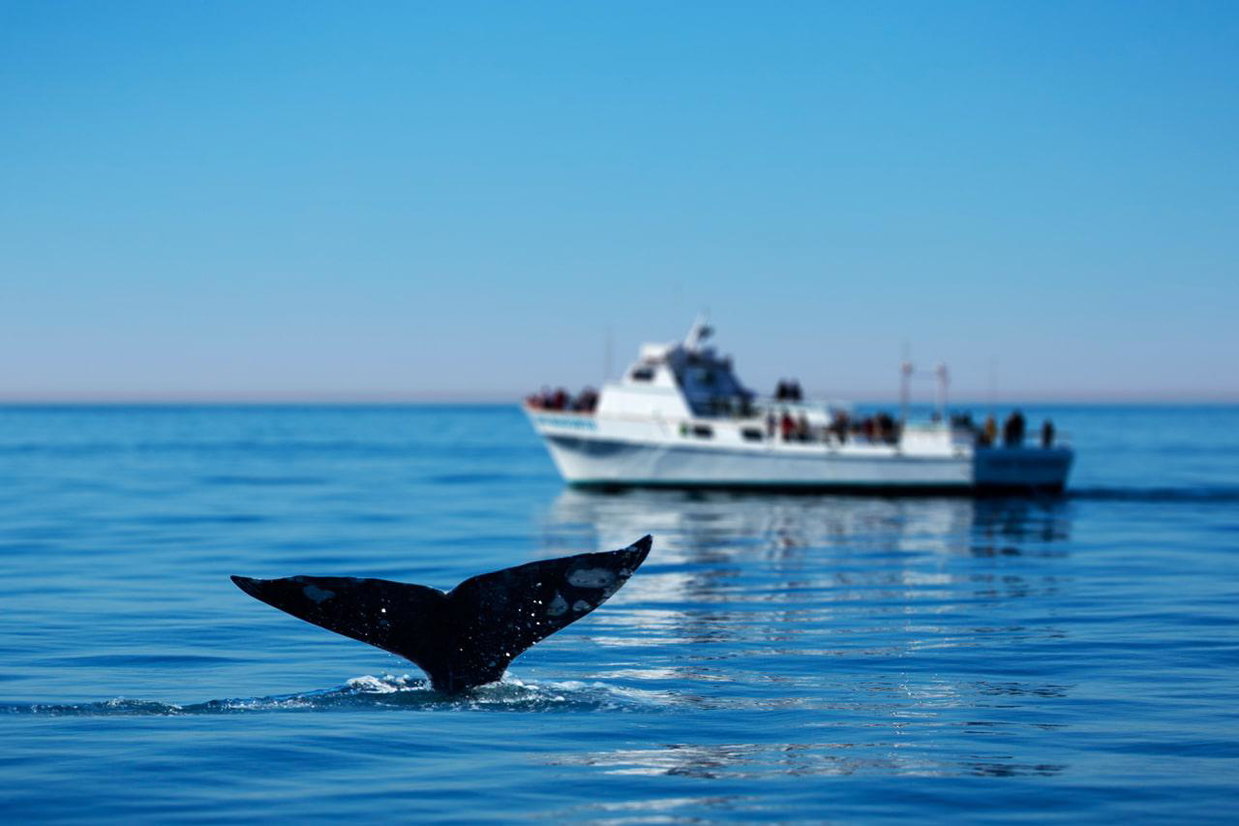
Winter is whale season. Southern right whales arrive in False Bay and along the coast to calve, and sightings from the shore between Simon's Town and Cape Point are genuinely common. Expect a mix of moody fronts and brilliantly clear days in between, waterfalls running on the mountain, and the year's best accommodation rates. It is also the season for long breakfasts, tidal pool walks and cosy evenings. Our whale watching guide explains where and when to look.
Spring (September to October)
Whales are still around in early spring, the fynbos on the mountains erupts in flower, and temperatures start climbing. September school holidays bring local visitors, so weekends can be livelier, but the mix of wildlife, wildflowers and warming weather makes it a superb all-rounder.
So when should you book?
- Beach and hiking focus: November to March.
- Whales plus value for money: June to October, with September often the sweet spot.
- Quiet roads and soft light: April to May.
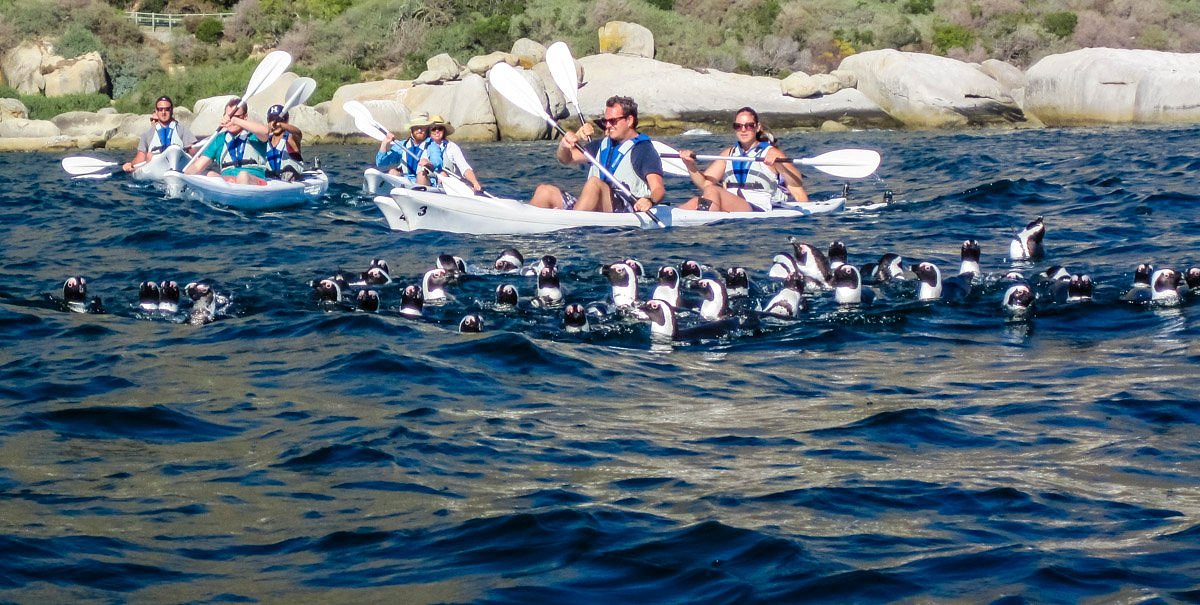
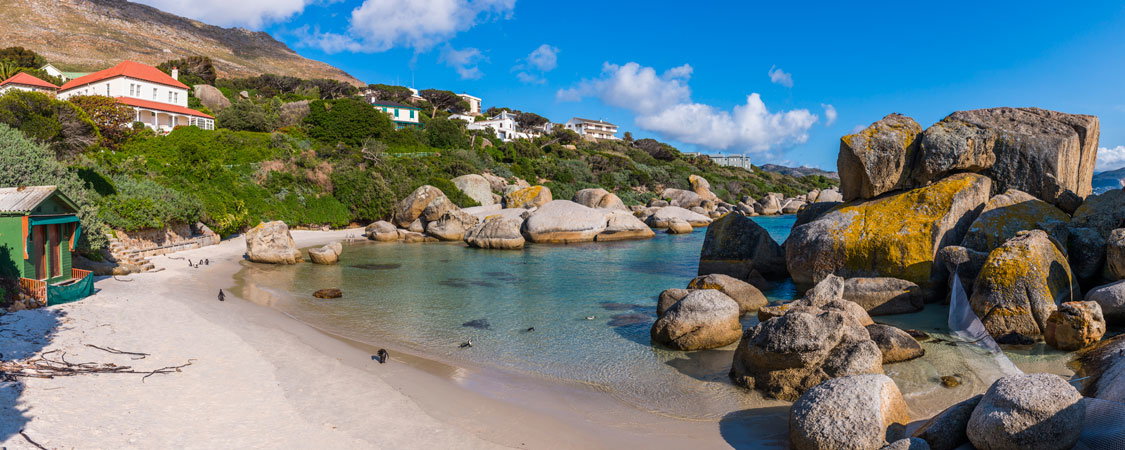
- Penguins and city sights: honestly, any month.
Whenever you come, staying on the peninsula changes the experience. From Aqua Terra in Simon's Town you are minutes from Boulders Beach, the penguins and the Cape Point gate, and you watch the weather and the whales move across False Bay in real time from our infinity pool.
Good to know: we run seasonal offers, such as our current multi-night coastal escape. See the special offers page for what is live right now, or ask us directly which season suits your plans best.

Further Reading

Can You Leave Luggage in Your Car While Touring the Cape Peninsula?
Tue September 15, 2026
Read This Article

Is Simon's Town Worth Visiting? Penguins, Cape Point and a Slower Cape Town Base
Wed August 26, 2026
Read This Article
Yes. Simon's Town is worth visiting for Boulders Beach penguins, Cape Point, False Bay scenery, naval history and a calmer base than central Cape Town.

Can You Visit Simon's Town as a Day Trip from Cape Town? A Practical Plan
Wed August 26, 2026
Read This Article
Yes, Simon's Town works as a full-day trip from Cape Town. This practical plan covers transport, Boulders Beach, the harbour, timing and what not to rush.

Share This Post