


January can be sunny, hot and windy in Cape Town. Here is a flexible plan for heat-sensitive travellers exploring the city, Simon's Town and the Peninsula.
How to Plan Cape Town Around Wind and Rain: A Flexible Peninsula Itinerary
Posted on Sat August 29, 2026.
Make a practical indoor fallback, amend tours and transport clearly, and use improving weather without rushing Table Mountain or the Cape Peninsula. Reviewed 12 October 2026.
Cape Town weather rewards flexibility more than perfect forecasting. The most reliable approach is to pair every weather-sensitive plan with a lower-level alternative, then choose the order each morning.
Wind, cloud and rain can affect Table Mountain, boat trips and exposed viewpoints even when another part of the peninsula is bright. That does not mean losing a day. It means planning the trip as a set of interchangeable blocks.

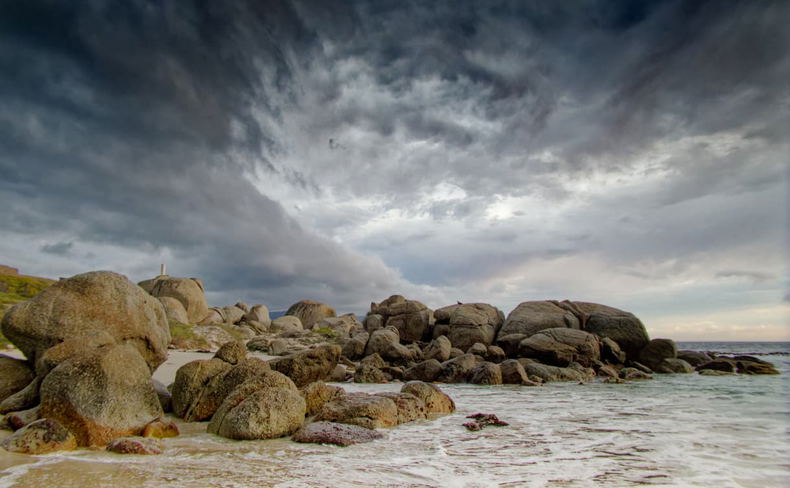
Coastal light from the owner-approved photo collection; check current conditions before planning an outdoor activity.
Build two columns before you arrive
Put your plans into two simple groups.
Weather-sensitive plans
- Table Mountain cableway or summit walks
- Boat trips, kayaking and exposed coastal activities
- Cape Point viewpoints and longer outdoor walks
- Beach time and open-air sunsets
Flexible or lower-level plans
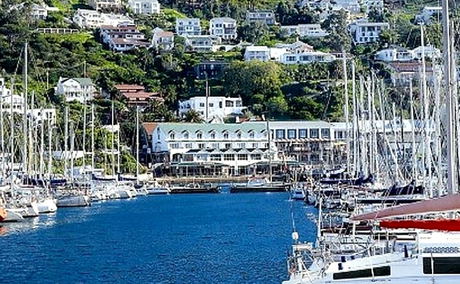
- Simon's Town's historic centre and harbour
- The South African Naval Museum and Simon's Town Museum, subject to current opening hours
- Boulders Beach boardwalks when conditions remain safe
- Kalk Bay shops, galleries and a long lunch
- Indoor attractions in the city, including the Two Oceans Aquarium and museums
The aim is not to lock each activity to a date. It is to make sure every day has a strong first choice and a worthwhile fallback.
Check the exposed attractions first each morning
Start with the attraction most likely to close or become unpleasant. The Table Mountain Aerial Cableway publishes operating updates, while SANParks is the official source for Table Mountain National Park notices.
If the summit is clear and the cableway is operating, use that window. If cloud or strong wind is already building, move the mountain to another day instead of waiting several hours in the hope that it clears.
Use the False Bay side as a flexible coastal block
False Bay often feels different from the Atlantic side of Cape Town. A useful day can combine Kalk Bay, Simon's Town and Boulders Beach without depending on one exposed attraction.
Begin with a harbour walk or museum, move to Boulders when the weather is comfortable, and keep lunch as the adjustable point in the middle. If conditions improve, add a sheltered beach or viewpoint. If they worsen, spend longer over lunch and explore the historic centre.
Cape Point is more exposed and deserves a generous weather window. Check current gate information through the official Cape Point visitor page, bring a warm layer and avoid forcing a long walk when visibility or wind makes it unrewarding.
Do not overbook consecutive outdoor days
A common mistake is to reserve Table Mountain, Robben Island, a peninsula tour and a boat trip on four fixed days in a row. One windy period can then disrupt the entire itinerary.
Instead, book the activities that genuinely require advance reservations, but leave at least one movable day. Read cancellation terms carefully. Some tickets are date-specific, and weather decisions are made by operators for safety.
A practical three-day weather-flexible sequence
- Best clear morning: Table Mountain first, followed by a city or garden afternoon.
- Best full coastal day: Cape Point, Boulders Beach and Simon's Town, with an early start.
- Mixed or unsettled day: Kalk Bay and Simon's Town, museums, cafés and a shorter shoreline stop when conditions allow.
Keep the order open until the forecast and live operating notices become useful, usually a day or two before.
A 48-hour decision plan for changeable weather
Two days before the activity, sort your bookings into fixed departures and movable sightseeing. Check the operator's own cancellation and rebooking terms; a general forecast does not tell you whether a ferry, cable car or small boat will actually run. Keep a second open morning for your highest-priority outdoor experience, then confirm the forecast again the evening before.
On the morning itself, use three separate checks: the Table Mountain Aerial Cableway for its current operating status, SANParks weather information for Cape Point and the wider park, and your booked marine operator for its own departure decision. SANParks warns that conditions on Table Mountain can change suddenly. A good city forecast is not a promise of clear summit views or safe sea conditions.
Choose the replacement day by what failed
- Cableway closed or summit clouded: switch to a city museum, the aquarium or a lower-level walk, and keep Table Mountain for the next suitable window. Do not start an unfamiliar mountain hike as an improvised substitute.
- Boat or kayaking cancelled: keep the coast in your day, but use land-based choices such as Simon's Town, Kalk Bay and the Boulders boardwalk when conditions are safe. A shore-based outing is not a guarantee of wildlife sightings.
- Cape Point too exposed for the planned walk: shorten the outdoor section or move it to another day. A gate being open does not mean every viewpoint or trail is comfortable in wind and rain.
For a trip of four nights or more, put the most weather-sensitive activity early enough that you still have a second chance. If a fixed ticket prevents a change, build the rest of that day around the operator's confirmed departure rather than trying to squeeze Cape Point into the same afternoon. Our city and Simon's Town split-stay guide can help if repeated cross-peninsula drives would otherwise consume the weather buffer.
A rainy-day plan you can actually swap into the itinerary
Choose an indoor anchor close to where you already need to be. If you are in central Cape Town, the Two Oceans Aquarium at the V&A Waterfront can make a useful main activity, with a meal nearby afterwards. Its official visit page is the place to confirm that day's hours, tickets and programme. September school-holiday hours should not be carried forward into an October plan without checking.
If the group prefers history or art, choose one museum that suits their interests rather than promising a tour of several. Use the Cape Town Tourism arts and culture guide to compare options, then check the selected museum's own hours and booking requirements. An indoor visit still needs a practical journey between the drop-off, entrance and lunch stop. Keep that part short when the rain is persistent.
From Simon's Town, decide whether the city attraction is worth the return journey that day. A nearby museum and a booked lunch can make more sense than crossing the city for an activity nobody particularly wanted. Confirm local museum opening hours before leaving: an attractive building on a map is not proof that visitors can enter today. Harbour walks, boardwalks and beach stops are outdoor options, so keep them optional rather than labelling them rain-proof.
How to change a paid activity without losing track of the booking
Contact the operator before travelling and distinguish a confirmed cancellation from a forecast that worries you. Ask whether the departure is operating, whether your ticket can move, and which deadline applies. Keep the answer with your purchase reference. A weather cancellation for one activity does not cancel your unrelated restaurant or transport booking, so deal with each separately.
Tell your driver or guide about the revised route before pickup. Changing from a Peninsula loop to an indoor city visit can change kilometres, waiting time and entrance charges. Ask for the revised inclusions in writing rather than assuming the original quote covers any alternative. If you booked through an agent, confirm whether the agent or the attraction must arrange the amendment.
When only part of the day improves
Keep one modest outdoor option near your indoor anchor. A break in the rain might allow a short harbour stroll or a viewpoint stop; it does not require rebuilding the day around a distant attraction. Check the conditions where you intend to go rather than assuming that a clear patch above your hotel applies across the Peninsula.
For Table Mountain, keep the ticket, queue and return journey together in the decision. A cableway that opens later still needs enough time for the ascent, your visit and the descent. If a fixed dinner or flight removes that margin, use another window. Do not turn a weather delay into a rushed mountain visit.
Write two useful choices for each day before the trip: the outdoor activity you most want, and an indoor or shorter local day you would enjoy anyway. Keep lunch and transport flexible where their terms allow it. That gives you a decision to make in the morning, instead of a fresh research task every time the forecast changes.
Planning guidance reviewed 12 October 2026. Check operators directly for current access, hours and cancellation decisions.
What to pack for changing conditions
- A light waterproof outer layer
- A warm mid-layer, even in summer
- Sun protection and water
- Comfortable shoes with reliable grip
- A small dry bag or waterproof phone pouch for coastal days
Four seasons in one day is a Cape Town cliché because it is useful advice. Layers make the difference between abandoning a plan and simply adjusting it.
Choose a base that reduces unnecessary driving
If Cape Point, Boulders Beach and the southern peninsula are priorities, a few nights in Simon's Town give you shorter starts and more room to respond to the weather. Aqua Terra Boutique Guesthouse is an owner-managed five-suite stay overlooking False Bay, with breakfast, secure gated parking and direct local planning help.
Check live availability for a flexible Simon's Town stay.
For itinerary help, Contact us on WhatsApp.
Further Reading
Is Cape Town Too Hot in January? A Cape Peninsula Planning Guide
Tue September 29, 2026
Read This Article
Can You Swim with Penguins at Boulders Beach? What to Expect
Wed September 23, 2026
Read This Article
Yes, swimming is allowed at Boulders Beach, and a penguin may pass nearby. It is not a managed animal encounter, so give the birds space, watch the tide and swim at your own risk.
Where Can You See Seals in Cape Town? A Safe Visitor Guide
Wed September 23, 2026
Read This Article
Cape Town offers several ways to see Cape fur seals, from harbour viewing to boat trips and guided snorkelling. Choose a reputable operator, keep your distance and treat every seal as a wild animal.
Share This Post