


Choose a private False Bay charter when some guests want to fish and others want a scenic cruise. Plan your departure and book a Simon’s Town stay directly.
Should You Split Your Cape Town Stay Between the City and Simon's Town?
Posted on Fri August 28, 2026.

Decide whether to split your Cape Town stay by usable sightseeing days, car hire, luggage handover, flights, evening plans and room access.
Planning advice reviewed 17 October 2026.
Quick answer: A split stay usually works well when you have at least five nights and two or more priorities south of Muizenberg. Use a central Cape Town base for the city and Atlantic Seaboard, then move to Simon's Town for Boulders Beach, Cape Point and quieter False Bay time.

When splitting your Cape Town stay makes sense
Moving once is worthwhile when it removes repeated cross-city journeys. A central stay suits the V&A Waterfront, city restaurants, museums, Table Mountain and Atlantic Seaboard outings. Simon's Town is better placed for Boulders Beach, Cape Point, Kalk Bay, coastal walks and early starts on the southern peninsula.
The split is especially useful if you want to see the penguins before the busiest part of the day, take a boat trip from Simon's Town, or spend a full day around Cape Point without immediately driving back across the city.
When one base is the better choice
Stay in one place if you have only two or three nights, dislike repacking, or nearly all your evening plans are in the City Bowl or Camps Bay. A split stay should solve a real logistics problem, not create a second check-in for its own sake.
A balanced six-night plan
- Nights one to three, central Cape Town: settle in, explore the city, use the clearest weather window for Table Mountain and keep one flexible urban day.
- Transfer day: leave after breakfast, stop in Kalk Bay or Muizenberg, then check in at Simon's Town without trying to force Cape Point into the same afternoon.
- Nights four to six, Simon's Town: give one day to Boulders Beach and the local coast, one to Cape Point and one to weather flexibility, a boat trip or a relaxed departure.
If you have six and a half days, use the extra half-day where the forecast is weakest. Cape Town rewards flexibility more than a rigid attraction-by-attraction timetable.
Where do the Winelands fit?
The Winelands can be a day trip from the central part of the stay, or a separate overnight if wine estates are a major reason for visiting. Avoid combining a full Cape Point day with several Winelands stops. The geography works against a relaxed experience, even when the map looks manageable.
If your time is tight, choose one focused wine area or use a guided day. Travellers who are not drinking can still enjoy food, gardens, architecture and mountain scenery, as covered in our guide to Cape Winelands activities for non-drinkers.
Should you add Hermanus to one week?
Add Hermanus when whales, the cliff path or the Overberg coast are central priorities. If it is simply another name on a long list, keep the night for Cape Town or the Peninsula. This is particularly important outside the main whale season, when the detour should stand on its own merits.
Compare the tradeoffs in our guide to whale watching in Simon's Town and Hermanus.
Build weather flexibility into the order
Do not lock Table Mountain, a boat trip and Cape Point into fixed consecutive days before seeing the forecast. Keep one movable day in each half of the trip. Official itinerary ideas from Cape Town Tourism can help you group nearby attractions, but the best order still depends on wind, cloud and your confirmed bookings.
Our wind and rain planning guide explains how to build a useful backup plan.
How much driving does a split stay save?
Traffic varies by weekday, weather and school holidays, so there is no honest fixed answer in minutes. The practical benefit is being able to begin southern activities nearby, return for a rest and enjoy Simon's Town after day visitors leave.
If you will not have a car, arrange the inter-hotel transfer in advance. Rideshare works across much of Cape Town, but pre-booking gives more certainty when luggage and timing matter. Check current rail timetables before relying on trains, and do not use an unverified service for a time-critical airport connection.
Count usable days before dividing the nights
Six nights does not always mean six full sightseeing days. A late international arrival may leave you with only dinner and sleep on the first evening. An early departure can remove the last morning. Put flight times on the plan before choosing the division between bases, then count the days when you can realistically leave after breakfast and return without an airport deadline.
For four nights, one base and a focused Peninsula day usually keeps the trip simpler. With six nights, three city nights and three southern nights is a useful starting point. With eight or more, you can allocate extra time to the area with your strongest interests instead of adding another hotel automatically. These are planning choices, not minimum booking terms for a particular property or season.
Should the rental car start before or after the city stay?
If you plan walking tours, museums and restaurant evenings in central Cape Town, compare a later car collection with keeping a vehicle throughout. Include the transfer to the rental depot, opening hours, parking charges and any difference between city collection and airport return. A lower daily rate can disappear once extra taxi journeys and depot logistics are added.
Collecting the vehicle before the southern part of the stay can work well when Cape Point, coastal stops and independent outings are priorities. If you will stay car-free, book the hotel transfer and the Cape Point outing as two distinct services unless your operator has expressly combined them. Confirm how luggage is handled and whether admission fees are included.
Make the moving day useful without overloading it
A relaxed transfer can include one stop in Kalk Bay or Muizenberg, followed by an agreed luggage handover. Avoid booking a long boat trip or a timed attraction in the middle of the move. A late checkout, road delay or slow lunch should not put a paid reservation at risk.
Ask both properties about bag storage rather than assuming that room access follows immediately. Aqua Terra's check-in is from 14:00 and checkout is at 11:00; earlier arrival arrangements must be agreed in advance. Breakfast is served from 08:00 to 10:00, which also matters if you are arranging a very early departure.
Which base should come before an international flight?
Choose the final night by the flight and transport plan, rather than assuming that the hotel nearer the airport is always the right answer. Compare the actual collection time, weekday traffic, fuel stop and rental return procedure from each proposed address. Leave room for disruption, especially if an unprotected domestic flight is involved.
A Garden Route drive followed by a separate domestic flight and an international departure on the same day leaves several connections dependent on each other. Consider returning to Cape Town the previous day when the tickets do not provide a protected connection. Confirm the airline's rules and reporting times directly.
Access and evening plans can decide the split
Choose a specific room for access requirements. A property being on the coast says little about stairs, gradients or bathroom space. At Aqua Terra only Sunrise has step-free access; discuss the complete route and your bathroom requirements before booking. Do not treat that as a whole-property accessibility guarantee.
If you want city restaurants most nights, keep more nights centrally. If quieter evenings and time beside False Bay are part of the holiday, a southern stay has value beyond saving mileage. Check restaurant opening days and arrange evening transport where needed. The best division follows how you want to spend the evenings as well as the sightseeing days.
Questions to ask before booking two bases
- Are at least two of your must-do activities south of Muizenberg?
- Do you have enough nights to spend at least two in each base?
- Will moving once reduce repeated return journeys?
- Would you value quiet coastal evenings as much as city nightlife?
If most answers are yes, a split stay is likely worthwhile. If not, choose the base closest to most of your plans and book one focused peninsula day.
Frequently asked questions
How many nights should I spend in Simon's Town?
Two nights is the practical minimum for a split stay. Three gives you better weather flexibility and allows Cape Point, Boulders Beach and local time to breathe.
Should I visit Cape Point from central Cape Town?
You can, but staying south is more convenient when Cape Point and Boulders Beach are both priorities. Read our guide to visiting Cape Point from Simon's Town.
Which half of the stay should come first?
Start centrally after a long international flight if you want the shortest first transfer. Reverse the order when the forecast gives the Peninsula a better early weather window or your onward route makes Simon's Town the more logical first stop.
Is Simon's Town only for the penguins?
No. The naval town, False Bay coast, beaches, tidal pools, boat trips, walks and access to Cape Point give the area enough depth for several nights.
Plan the southern half of your stay
Aqua Terra Boutique Guesthouse offers five individually bookable suites in Simon's Town, with breakfast, secure gated parking and False Bay views. Check live availability and direct rates, or Contact us on WhatsApp with your dates and priority activities for local planning help.
Stay in Simon's Town for the Peninsula
Use Aqua Terra as your False Bay base for Boulders Beach, Cape Point and a calmer southern half of your Cape Town stay.
Further Reading
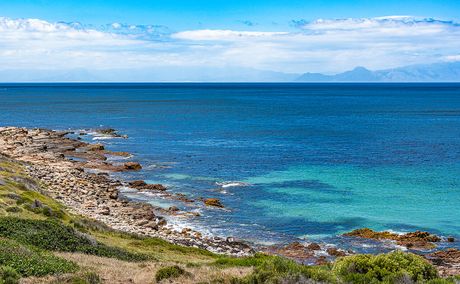
Private Boat Trips in Simon’s Town for Anglers and Sightseers
Sun November 29, 2026
Read This Article
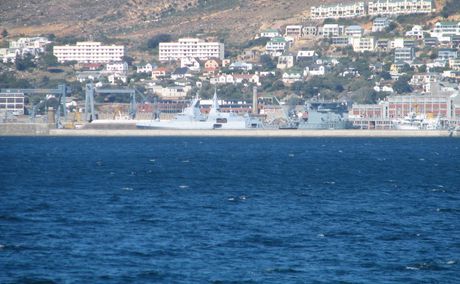
Simon’s Town Boat Trips With a Wheelchair or Limited Mobility
Sun November 29, 2026
Read This Article
Ask the right boarding questions before a Simon’s Town boat trip, plan a flexible False Bay itinerary and check dates for a direct Aqua Terra stay.
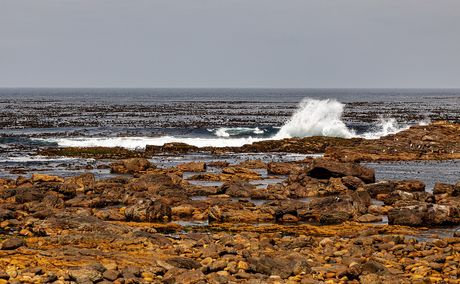
Cape of Good Hope Overnight Hike: Plan the 9 AM Start
Sun November 29, 2026
Read This Article
Plan the early gate check-in, hut booking and parking for the two-day Cape of Good Hope hike, with a Simon’s Town base before or after the trail.

Share This Post