


Yes, swimming is allowed at Boulders Beach, and a penguin may pass nearby. It is not a managed animal encounter, so give the birds space, watch the tide and swim at your own risk.
Where Can You See Seals in Cape Town? A Safe Visitor Guide
Posted on Wed September 23, 2026.
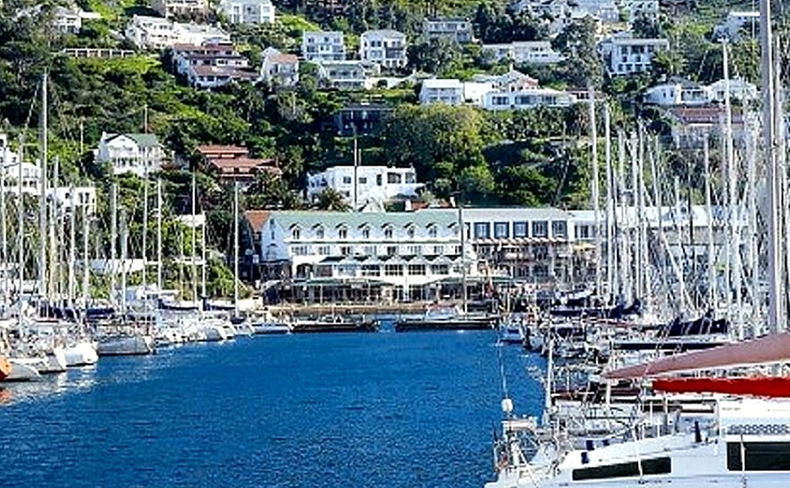
Cape Town offers several ways to see Cape fur seals, from harbour viewing to boat trips and guided snorkelling. Choose a reputable operator, keep your distance and treat every seal as a wild animal.
Quick answer: Cape fur seals can often be seen around Cape Town's working harbours and on boat trips to offshore colonies. The easiest land-based option is the V&A Waterfront. Hout Bay is the main departure point for boats to Duiker Island, while reputable operators also offer guided snorkelling when conditions are suitable. These are wild animals, so sightings and behaviour are never guaranteed.
Three practical ways to see Cape fur seals
1. Look from the V&A Waterfront
The V&A Waterfront is the simplest choice for visitors who want a chance of seeing seals without booking an activity. Cape fur seals sometimes rest on harbour structures or swim between the basins. Walk the public quays and keep an eye on the water, but do not enter restricted working areas or lean over barriers for a photograph.
This is a convenient add-on to a city day, not a formal wildlife encounter. You may see several seals, one seal, or none at all.
2. Take a boat from Hout Bay to Duiker Island
Duiker Island, often called Seal Island locally, supports a large Cape fur seal colony off Hout Bay. Several licensed operators run short cruises from Hout Bay Harbour. A boat trip gives visitors a broad view of the colony without entering the water. Wind and swell can affect departures, so reconfirm on the morning of the trip and allow flexibility in your itinerary.
Choose an operator that gives a safety briefing, carries the required marine safety equipment and observes wildlife without crowding or chasing it. A responsible skipper may change course or cancel if conditions are unsuitable.
3. Join a guided seal snorkelling trip
Guided snorkelling is the closest experience, but it is also the option that needs the most care. Book only with a reputable local operator that supplies suitable equipment, checks sea conditions and briefs guests on wildlife behaviour. Follow the guide's instructions immediately and stay with the group.
Snorkelling is not suitable for everyone. Cold water, surge, limited visibility and seasickness can all affect the experience. Tell the operator honestly about your swimming ability and medical considerations before paying.
Important current safety guidance
Rabies has been confirmed in Cape fur seals along the South African coast. This does not mean every seal is infected, but it does mean visitors should treat every seal as a wild animal and avoid all direct contact. Do not touch, feed, pose beside, corner or attempt to move a seal. Keep children and pets away, and never approach an animal that is behaving strangely, appears injured or has come ashore in an unusual place.
The Western Cape Government advises anyone bitten or scratched by a seal to wash the wound thoroughly with soap and running water for at least 15 minutes and seek urgent medical attention for rabies post-exposure treatment. Do not wait for symptoms. Read the latest official guidance from the Western Cape Government and the City of Cape Town.
What not to do
- Do not feed seals or pay anyone to use a seal as a photo prop.
- Do not touch a resting seal, even if it appears calm.
- Do not block a seal's route between the water and shore.
- Do not follow a seal closely from a kayak, boat or in the water.
- Do not enter the sea alone to look for seals.
- Do not bring pets close to seals on beaches or harbour edges.
Hout Bay, the Waterfront or False Bay?
Choose the V&A Waterfront if you want a free, land-based opportunity that fits easily into a city itinerary.
Choose Hout Bay if a boat view of a large colony or a professionally guided snorkelling experience is your priority.
Choose Simon's Town and False Bay for a broader coastal wildlife itinerary. The area is better known for African penguins, seasonal whale watching and scenic boat trips. Seals are present in False Bay, but a sighting should be treated as a bonus rather than promised.
Planning your visit
- Book weather-dependent activities early in your stay so there is room to reschedule.
- Ask the operator what is included, especially wetsuits, masks, transport and photographs.
- Take warm layers for the boat ride, even on a sunny day.
- Use reef-safe sunscreen and secure loose hats and phones.
- Keep a dry change of clothes if you are snorkelling.
- Reconfirm the meeting point and departure time on the day.
Frequently asked questions
Are Cape fur seals dangerous?
They are powerful wild animals with sharp teeth. Most sightings are uneventful when people keep their distance, but bites and scratches can occur if a seal feels threatened or is approached. Current rabies guidance makes avoiding contact especially important.
Can I feed seals at a harbour?
No. Feeding changes natural behaviour, draws animals into risky human interactions and can encourage aggressive encounters. Observe quietly and do not support handlers offering close-up seal photographs.
Is seal snorkelling safe?
No wildlife activity is risk-free. A reputable operator, suitable sea conditions, a proper briefing and honest assessment of your swimming ability reduce the risk. Follow the guide and never attempt the experience independently.
When is the best time to go?
Operators work across much of the year, but the sea state matters more than the calendar on a particular day. Morning departures often have calmer conditions, although this is not guaranteed. Confirm directly with your operator.
Use Simon's Town as your Cape Peninsula base
Aqua Terra Guesthouse overlooks False Bay in Simon's Town, making it a practical base for Boulders Beach, Cape Point and coastal day trips. We can help guests think through a sensible route, but wildlife sightings and third-party activities remain subject to conditions and operator availability.
Check live availability and rates, or ask us on WhatsApp about planning a Cape Peninsula stay.
Information checked on 23 September 2026. Wildlife conditions and public-health guidance can change, so verify official advice and operator notices before your visit.
Plan your Cape Peninsula wildlife stay
Stay in Simon's Town for easy access to Boulders Beach, Cape Point and False Bay.
Further Reading
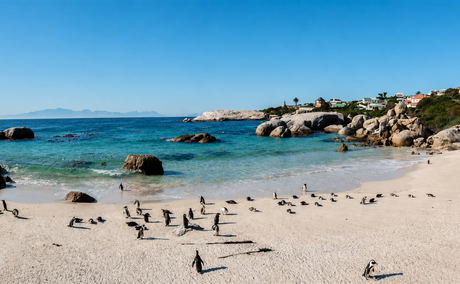
Can You Swim with Penguins at Boulders Beach? What to Expect
Wed September 23, 2026
Read This Article

Can You Leave Luggage in Your Car While Touring the Cape Peninsula?
Tue September 15, 2026
Read This Article
Avoid leaving luggage in a parked car while sightseeing. Use secure accommodation, keep valuables with you and plan the handover between check-out, Cape Point and your next stay.
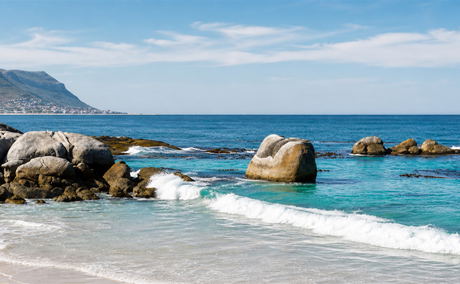
Are There Sharks in False Bay? An Honest Local Answer
Tue September 15, 2026
Read This Article
False Bay has sharks, but designated spotting beaches, clear flag protocols and Fish Hoek's seasonal exclusion net help swimmers make informed choices. Learn how the system works before choosing a beach.



Share This Post