


Plan an international-to-domestic connection around your ticket, baggage, airline cutoffs and the consequences of a delay.
Kruger Self-Catering: Where Should You Buy Groceries?
Posted on Tue November 10, 2026.
Check camp shops, unit kitchen equipment, first-night meals and current restaurant changes before planning a self-catering Kruger stay.
For a self-catering Kruger stay, plan a main grocery shop before entering and use the larger rest-camp shops for convenient top-ups. First check the exact accommodation unit's cooking equipment and refrigeration. A camp name alone does not tell you what your room contains, and a shop elsewhere in the park is not a promise of the same stock at your destination.
Reviewed 10 November 2026. Confirm current shop, kitchen and restaurant arrangements with the camps on your booking.
Check the unit code before writing the shopping list
Your reservation confirmation is the starting point. Read the facilities for the precise bungalow, hut, tent or campsite you booked. Separate a private kitchen from communal cooking facilities, and a fridge from a full set of cooking equipment.
SANParks says cooking utensils and refrigeration are provided in most accommodation units, with exceptions shown when booking. The word “most” matters. If the listing mentions a cutlery hamper, ask what it contains, whether it must be requested and whether pots and pans are included. A set of plates does not establish that you can prepare the dinner you planned.
Send a short equipment question to the camp rather than packing a complete kitchen or discovering a missing item at sunset. For a group, appoint one person to collate the answer and the shared shopping list. This avoids buying five bottles of cooking oil while nobody brings a washing-up sponge.
Main rest camps and smaller camps are different
SANParks lists basic provisions and curios at the main rest camps, with wider choice at larger camps. It states that bushveld and satellite camps have no shop facilities. Check the official page for every overnight stop rather than assuming that a shop shown on one camp map will be available at the next.
Use a main-camp shop as a useful part of the plan, especially for a small replenishment. For a particular brand, a specialised diet or a large group's quantities, establish availability beforehand or bring a suitable alternative. Do not build an essential meal around a photograph of a shelf in an old travel report.
Also check when the shop opens and closes. Arriving before the park gate closes does not necessarily leave time to check in, unpack and shop. Keep an easy first evening meal separate from the provisions you expect to buy later.
Choose an outside supermarket that fits your actual route
Look at the airport or starting town, entrance gate and first camp together. A supermarket recommended by someone entering from the opposite side of Kruger may add an unnecessary detour to your arrival day. Check the chosen store's current address and opening hours for your date.
Make the main shop before the gate when it fits comfortably into the journey. Compare the practical cost of the stop, including extra distance, queueing and the time left to reach camp. There is no useful saving if a large shop leaves you rushing the final park drive.
For a flight arrival, keep the list ready before collecting the hire car. Split it into essentials for the first night, provisions for the next few days and items that can wait. If the flight is late, you can shorten the stop without abandoning the whole meal plan. Ask the camp about alternatives while you still have a connection.
Plan around the storage you really have
Buy quantities that fit both the vehicle and the confirmed fridge space. A small unit fridge and several nights of food for a group are a different proposition from a family kitchen. Agree how you will transport chilled items and follow the food supplier's storage instructions.
A practical list might cover breakfast, a simple lunch, the first dinner, drinking water and a few shelf-stable backups. Add the items your chosen equipment requires, such as washing-up supplies, a bottle opener or suitable braai tools, after checking what is provided. Ask about current fire and braai rules rather than collecting fuel in the park.
Do not leave food out while watching wildlife or taking photographs. Follow camp instructions for storing provisions and disposing of waste. SANParks warns that unattended food attracts monkeys and baboons. Your shopping plan includes where everything will go when you leave for the morning drive.
Check restaurant changes before relying on dinner out
Eating at a restaurant can be a welcome alternative to cooking, but check current operations at the actual camp. In its 12 October 2026 operator announcement, SANParks described changes at Lower Sabie, Pretoriuskop and Berg-en-Dal, plus refurbishment at Skukuza. It said temporary dining facilities would offer limited menus during works.
That announcement does not confirm which restaurant is fully open on your arrival date. Ask the camp about the current service, meal times and whether the options meet your party's needs. Avoid making a late arrival depend on a familiar restaurant name from an older itinerary.
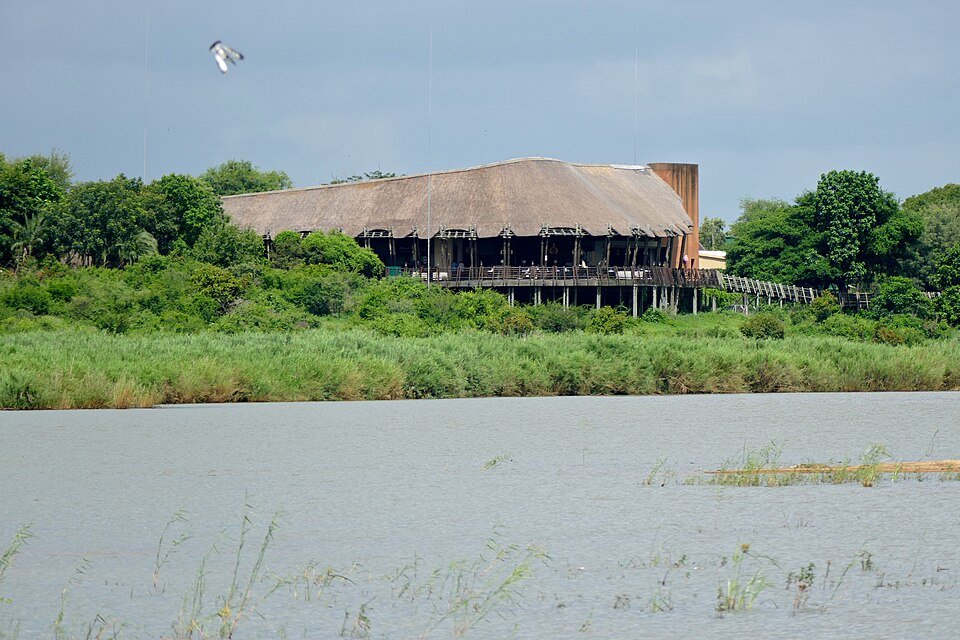
Archival Lower Sabie setting by Bernard DUPONT, CC BY-SA 2.0. This photograph does not establish the present restaurant operator or opening status.
Keep meals compatible with your safari days
Plan an uncomplicated dinner after a long arrival or camp move, and leave the more elaborate braai for an evening when you have time. If you book an early guided drive, ask about its reporting time before planning breakfast. Check what you may take on the activity with the operator.
Our rest-camp game-drive guide covers activity bookings as a separate decision. Food shopping, camp access and a booked drive should fit one itinerary rather than competing for the same final hour.
If your South African holiday also includes the Cape Peninsula, treat that as a separate stage with its own transport and accommodation. You can check Aqua Terra availability in Simon's Town for that coastal stay. Aqua Terra is a bed and breakfast; this Kruger guide is about preparing an independent safari.
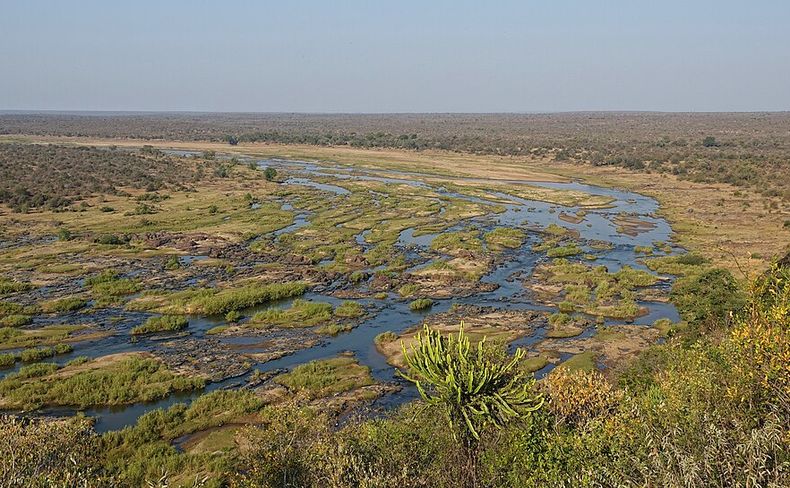
Featured: Olifants River from the rest camp, by Bjørn Christian Tørrissen, CC BY-SA 4.0. Unchanged archival files; Springnest may resize or crop display. Featured image derivatives retain the same licence.
Further Reading
Connecting at OR Tambo: How Much Time Should You Allow?
Tue November 10, 2026
Read This Article
Where Can You Leave Luggage in Cape Town Before a Late Flight?
Mon November 9, 2026
Read This Article
Choose a storage plan that fits your final day, with confirmed collection hours and enough time to reach the airport.
Should You Pre-Book Kruger Entry for a Day Visit?
Mon November 9, 2026
Read This Article
A day-entry reservation, a Wild Card and a guided drive serve different purposes. Check the right booking before setting off.


Share This Post