


Plan an international-to-domestic connection around your ticket, baggage, airline cutoffs and the consequences of a delay.
Can You Take Cape Wine Home on Your Flight?
Posted on Thu November 5, 2026.
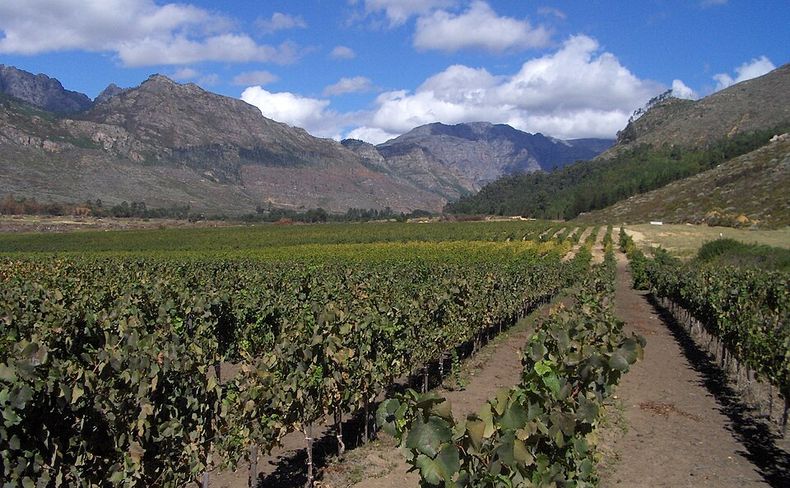
Check the complete flight route, baggage allowance and destination rules before bringing Cape wine home.
Reviewed 5 November 2026.
You can plan to take Cape wine home, but check three separate things before buying: your airline's baggage rules, security at every airport on the journey, and customs rules where you enter another country. A wine purchase at an estate does not come with permission to carry it through every connection.
For bottles bought before reaching the airport, protected checked baggage is usually the most straightforward option to investigate. Get the carrier's confirmation for your itinerary, keep room within your baggage allowance and check the destination's alcohol rules. Shipping through a properly arranged service is another option when you want more wine than you can comfortably carry.
Check the whole route, including stopovers
Write down each flight and operating airline. Include domestic connections, an island break after Cape Town and any overnight stop where you collect your bags. Rules that work for a direct flight may not solve a journey with another border and another security checkpoint.
A traveller asking about Cape Town, Mauritius, Johannesburg and Brazil illustrates the problem: the wine may pass through several separate baggage and customs decisions. Do not assume the allowance for your final destination also applies when entering an intermediate country.
Ask the airline about the product itself, its alcohol percentage, the quantity, the packaging and whether it counts as an additional checked item. Then check the other carrier if a different airline operates the final leg. Keep the written answer with your booking.
Hand luggage and checked baggage are different decisions
A standard wine bottle is much larger than the small liquid containers permitted under ordinary international cabin-security rules. Buying at a winery and putting the bottle in a shopping bag does not make it an airport duty-free purchase.
Airports Company South Africa's liquid guidance explains the security requirements and recommends considering checked luggage for liquids. Check the current instructions for your departure and transfer airports. A domestic flight's arrangements should not be treated as permission for an international connection.
Duty-free purchases have a separate security process. Before paying, tell the shop about every connection and ask what sealed packaging and receipt are required. Confirm acceptance with the transfer airport or airline. Do not open a sealed bag during the journey or assume that a shop's assurance replaces the next airport's decision.
Do not confuse an alcohol safety limit with a customs allowance
Dangerous-goods rules concern what an aircraft can carry. Customs rules concern what you may bring across a border and what must be declared or taxed. Your ticket also has a baggage allowance. All three can matter at the same time.
As one example of why details matter, the US Federal Aviation Administration's alcohol guidance describes a five-litre limit for unopened retail beverages above 24% and no higher than 70% alcohol. Do not apply that particular category automatically to every wine bottle or treat it as a global duty-free allowance. Read the label and obtain the operating airline's current rule for your product and route.
South African Airways' restricted-item information provides a route to checking items that need clarification. A reply from one airline does not bind a different airline on a separate ticket.

Work out customs before choosing the number of bottles
Use the official customs authority for each country you will enter. Check the relevant age, quantity, beverage type, personal-use conditions and declaration process. Transit without entering a country can differ from collecting baggage and entering it for a stopover.
For Great Britain, start with the official personal-import guidance and its declaration instructions. Northern Ireland has separate guidance. Other destinations have their own rules, so a British allowance is not a useful answer for a traveller returning to Canada or Brazil.
Check whether exceeding an allowance changes the tax treatment of the whole category. Keep receipts and a simple bottle list. If the official instructions do not resolve your itinerary, ask customs before buying rather than guessing at the arrivals hall.
Pack for glass, leaks and the baggage scale
Ask the estate or wine retailer for packaging intended for transport. Protect each bottle so glass cannot knock against glass, contain possible leaks and keep bottles away from the outer suitcase wall. Confirm that a dedicated wine carrier meets the airline's size and weight requirements.
Weigh the finished bag. Six 750 ml bottles contain 4.5 litres of wine before you add glass, packaging or the suitcase itself. That calculation is about packing volume, not a statement that six bottles are allowed on your route. A box can also become a separately charged piece even when its weight seems modest.
If you plan another road-trip leg before flying, include the bottles in your luggage plan from the start. Avoid buying more than you can protect and manage through transfers. Keep the trip pleasant by setting a quantity and packaging budget before the first tasting.
When shipping may fit better
Ask whether the estate has an authorised shipping route to your actual delivery country. Obtain a written total covering packaging, carriage, import handling, duties or taxes, insurance and any recipient requirements. Confirm which costs are included and what happens if a bottle breaks or delivery is refused.
Compare that complete total with the cost and inconvenience of extra airline baggage. Shipping is not automatically duty-free, and a cellar's ability to send to one country does not establish that it can send to yours.
For the tasting day itself, our Stellenbosch and Franschhoek guide helps you choose the setting. Keep the Winelands visit and the Peninsula days at a comfortable pace. Aqua Terra welcomes guests aged 12 and older to five suites above False Bay in Simon's Town. Check dates and available suites.
Photographs: vineyards by Sara Atkins, CC BY 2.0; valley panorama by SkyPixels, CC BY-SA 4.0. Both source renditions used unchanged.
Further Reading
Connecting at OR Tambo: How Much Time Should You Allow?
Tue November 10, 2026
Read This Article

Kruger Self-Catering: Where Should You Buy Groceries?
Tue November 10, 2026
Read This Article
Check camp shops, unit kitchen equipment, first-night meals and current restaurant changes before planning a self-catering Kruger stay.

Where Can You Leave Luggage in Cape Town Before a Late Flight?
Mon November 9, 2026
Read This Article
Choose a storage plan that fits your final day, with confirmed collection hours and enough time to reach the airport.



Share This Post