


Compare Sevilla, Stadsaal and Truitjieskraal for a Cederberg rock-art trip, with walking expectations, permits and essential road-access checks.
Mokala National Park: A Slower Wildlife Break
Posted on Mon November 2, 2026.
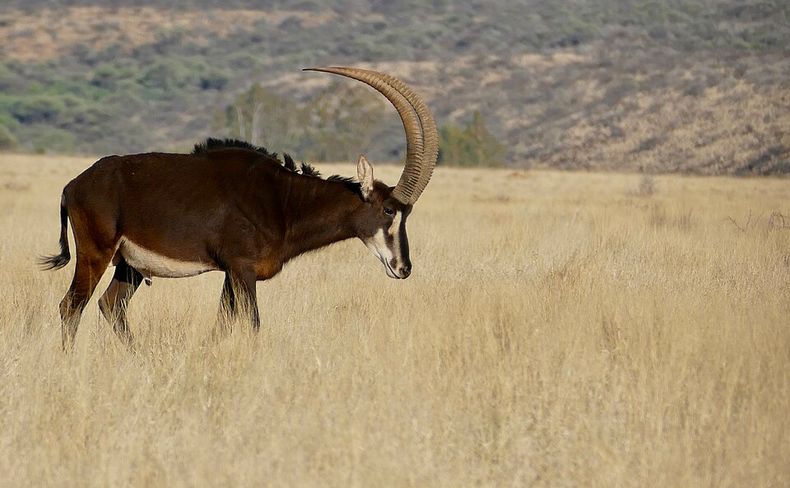
Plan a Mokala wildlife break around its antelope, landscapes and camp choices, with current self-catering information and separate Lilydale and Mosu approaches.
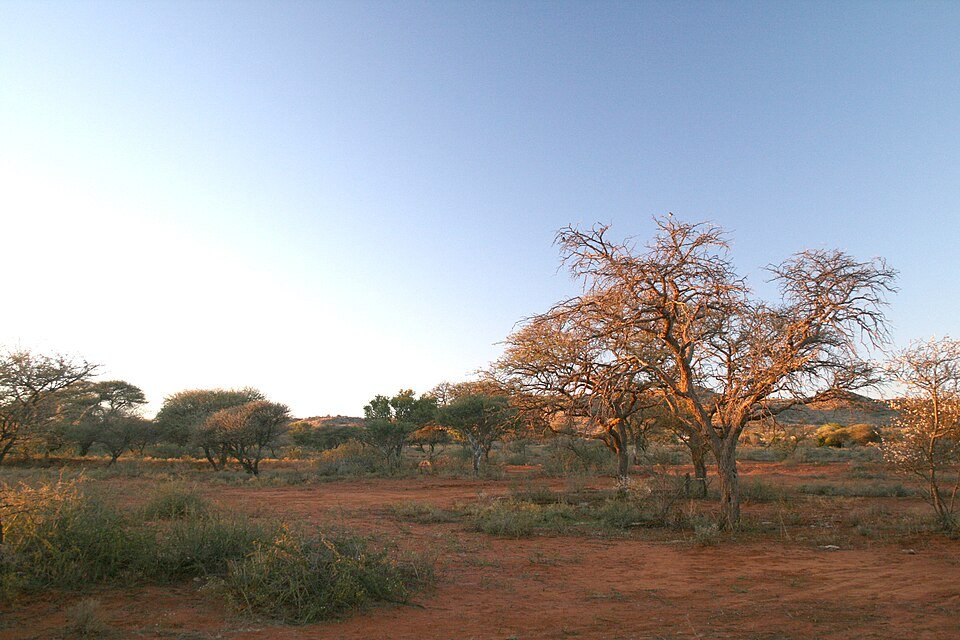
Mokala is worth considering if your ideal Northern Cape wildlife break involves antelope, open landscapes and time to watch what is in front of you. Build the visit around the park's own character: camelthorn country, hills and plains, self-drive outings and a camp that suits the way you travel. Two nights give you a full day without an arrival or departure pressing on the schedule.
That is an itinerary recommendation, not a guarantee of empty roads or particular sightings. A smaller, less familiar park can still have busy dates. Choose Mokala because its wildlife and setting interest you, then check accommodation, access and activities for your actual visit.
Look for Mokala's own wildlife story
SANParks describes Mokala National Park as a landscape of koppieveld hills and open plains southwest of Kimberley. Its name comes from the Setswana word for camelthorn. The park was proclaimed in June 2007 and has an important role in conserving species such as roan, sable and tsessebe.
The official mammal checklist includes giraffe, buffalo, eland, gemsbok, springbok and several other antelope, alongside smaller mammals. Use it to develop an interest in the animals you encounter, rather than setting yourself a compulsory count.
A good outing might involve watching a herd feed, noticing how animals use the shade or spending time identifying an antelope you have not seen elsewhere. Binoculars and a field guide can add more to that experience than repeatedly changing roads in search of something larger. Treat the checklist as a record of species associated with the park, not a prediction for your weekend.
Choose your camp before plotting the approach
Mokala has more than one accommodation setting. The current SANParks accommodation page describes Lilydale's self-catering units overlooking the Riet River and Mosu Lodge's self-catering units with outside braai facilities. At Mosu, vehicles park by reception rather than beside each chalet, with luggage trolleys provided.
Motswedi is a camping option with individual ablution and cooking facilities. Haak-en-Steek offers a different cottage-and-camping arrangement. Read the description and booking conditions for the exact unit or site, especially if you need particular cooking equipment, access features or sleeping arrangements.
Choose on practical grounds as well as photographs. A river outlook, a chalet base and a campsite with your own equipment are different holidays. If you only have two nights, staying in one camp avoids using part of the full day to pack, check out and move again.
Use the entrance that matches your booking
The official directions distinguish the Lilydale and Mosu approaches from the N12. Both involve travel beyond the highway to an entrance and then further travel to reception. Save directions to your booked camp, not simply a general Mokala map pin.
This matters particularly after rain. SANParks' access information warns that some roads may not suit sedans after rainfall and that closures can affect the internal connection between Mosu and Lilydale. The alternative can involve returning to the N12.
Ask the park which approach and internal roads suit your vehicle shortly before travelling. If you are towing or using a rental, describe the vehicle and trailer clearly. Do not assume that reaching one camp establishes access to every other part of the park.
Confirm gate and reception deadlines alongside the journey. SANParks specifically requires guests heading to the treehouse, Motswedi and Haak-en-Steek to check in at reception at least an hour before the main gate closes. Arriving at the entrance and completing check-in are separate milestones.
Give the full day a gentle structure
For a two-night break, use the arrival afternoon to settle in and discuss the current visitor map with reception. If there is enough time within the permitted hours, choose a short first drive. You will enjoy the next morning more if arrival is not a race around unfamiliar roads.
On the full day, pick one driving area rather than attempting every available road. Leave space for breakfast, a break at your accommodation and another outing. Keep the day's return requirements visible when deciding whether to extend a drive.
If a guided activity would add something important, enquire about the actual departure, duration, price and minimum numbers. The park's activities page is a starting point for that discussion. A listed experience is not a confirmed booking, and an evening activity should not be confused with permission to drive yourself outside visitor hours.
Plan to cater for yourself
This is an important difference from older Mokala descriptions. The current SANParks facilities page says restaurant facilities are no longer available, with the Mosu restaurant having closed on 18 August 2019. It also says there is no fuel station or groceries shop in the park, although the Mosu shop stocks basic necessities.
Plan meals before entering and confirm the cooking facilities included in your accommodation. Bring the food and drinks needed for the stay rather than relying on a basic shop to supply a complete menu. Arrange fuel outside the park; SANParks identifies Modderrivier as the closest fuel location, but check opening arrangements for your journey.
Keep the first evening simple enough to prepare after travelling. On departure day, leave time to pack and complete any final short drive within the park's instructions. A self-catering wildlife break works well when meals support the outing rather than become an unexpected logistical problem.
Make Mokala a stay, rather than just a name on the route
An actual traveller's question about what Mokala offers and how long to stay remains a useful way to frame the choice. The older replies cannot establish today's facilities, but the decision is familiar: a brief stop and a wildlife break offer different amounts of time.
If Kimberley is another stop, our Big Hole history guide covers a separate museum outing. If your longer South African holiday also includes the Cape Peninsula, check Aqua Terra availability for the Simon's Town stage. Reserve Mokala separately through its park arrangements, with enough time for the entrance, camp and wildlife experience you actually want.
Featured photograph: a male sable antelope in Mokala's Lilydale area, photographed on 1 December 2018 by Bernard DUPONT, CC BY-SA 2.0. Archival wildlife image, not a guaranteed sighting. Featured image resized and cropped for website display. Research and editorial review: Aqua Terra, 2 November 2026.
Further Reading
Cederberg Rock Art Without Long Hikes: Sevilla and Stadsaal
Mon November 2, 2026
Read This Article
Coffee Bay, Morgan Bay or Chintsa for a Family Holiday?
Mon November 2, 2026
Read This Article
Compare Coffee Bay, Morgan Bay and Chintsa for a family holiday, including arrival plans, accommodation, beach access and what to check before booking.
Can You Visit the Drakensberg Without Hiring a Car?
Mon November 2, 2026
Read This Article
Plan a Drakensberg holiday without a rental car: arrange arrival transfers, trailhead transport, guided outings and your return journey.


Share This Post