


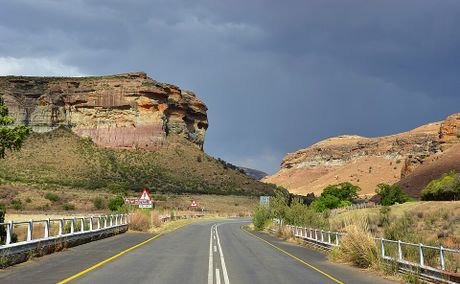
Connect Golden Gate sandstone landscapes with a northern Drakensberg stay, allowing separate full days, the correct entrances and current access checks.
Dullstroom Bird of Prey Centre: Plan a Learning Visit
Posted on Mon November 2, 2026.
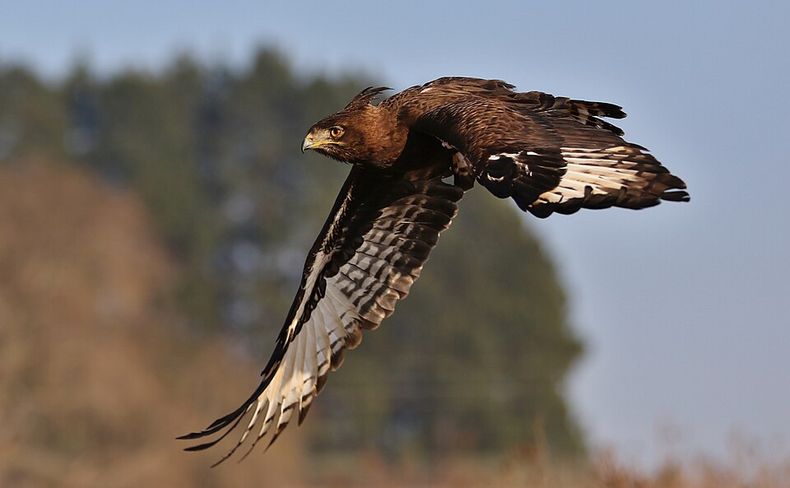
Plan a Dullstroom bird-of-prey outing with current opening days, published rates, conditional demonstrations and a clear distinction between education and rehabilitation.
A visit to the Dullstroom Bird of Prey and Rehabilitation Centre can add a wildlife-learning stop to a Highlands holiday. Plan for the public education area and resident animals, with a flight demonstration only if conditions allow. The rehabilitation hospital is a separate working area, not part of the visitor walkthrough.
The practical decisions are your visit day, entry budget and whether the ordinary public visit meets your expectations. Read the centre's current programme before arranging the drive, particularly if you are passing through Dullstroom with an onward journey that afternoon.
Check the open day before planning the stop
The centre's current homepage, checked on 2 November 2026, lists public opening on Fridays, Saturdays, Sundays and Mondays from 09:00 to 16:00. It lists Tuesdays, Wednesdays and Thursdays as closed unless special dates are announced. Recheck for your date rather than relying on an older guide saying it opens daily.
Its emergency availability for injured wildlife is different from visitor opening. An emergency contact notice does not mean a holidaymaker can arrive for a public tour at any hour. Use the published visitor programme when building your itinerary.
Confirm the correct entrance and allow time to arrive without rushing. If your visit forms part of a longer transfer, work backwards from the commitments at your next destination. Do not assume that a demonstration can be delayed for your arrival.
Budget for admission, with realistic demonstration expectations
A real visitor's price question still attracts answers referring to old admission charges. Use the centre's published 2026 rates instead: adults aged 13 and older R100, children aged 3-12 R70, under-threes free and pensioners R80. Confirm the applicable total before travelling.
The same current programme lists demonstrations at 10:30 and 14:30 on open days, dependent on weather and the birds. Its updated notice says admission buys entry, while demonstrations are free and conditional. Paying admission therefore does not guarantee a flight display.
An actual traveller passing from Hazyview towards Johannesburg asks about display times. That is precisely when current information matters: plan enough flexibility for the public visit even if a demonstration cannot go ahead.
Featured photograph: a captive long-crested eagle in flight at Dullstroom Bird of Prey and Rehabilitation Centre, photographed on 27 July 2019 by Derek Keats, via Wikimedia Commons, CC BY 2.0. Resized and cropped for display. Archival image, not evidence of today's participating birds or a guaranteed demonstration.
Understand what the public visit includes
The centre's own account of its work describes education, rehabilitation and releases, and says some non-releasable animals remain as educational ambassadors. Those are the operator's descriptions of its programme, rather than an independent animal-welfare assessment.
Use the visit to learn about the individual animals presented and the pressures on wildlife. Read the enclosure information, listen to explanations and ask why a particular resident remains in care. A useful outing can be measured by what you understand afterwards, rather than by the number of birds photographed.
Choose one or two questions that interest your group before arriving. For example, ask what makes a bird releasable, how staff distinguish educational residents from recovering patients, or what conservation action visitors can take at home. Staff may need to prioritise animal care, so ask when questions are welcome.
Respect the boundary around rehabilitation patients
The centre's FAQ explicitly excludes public visits to animals in its hospital and rehabilitation section. It explains that limiting human exposure is part of caring for animals intended for release. Public access to resident educational animals is a different arrangement.
Do not expect a behind-the-scenes hospital tour or access to an animal because you have followed its story online. Keep to authorised visitor areas and accept that a bird or other animal may be unavailable on the day. Restricted access can be an important part of the programme you came to learn about.
If a child is hoping to hold or feed an animal, discuss expectations before the visit. Ordinary admission should be planned around observation and education. Ask staff about the actual boundaries rather than improvising contact at an enclosure.
Assess demonstrations and optional interactions
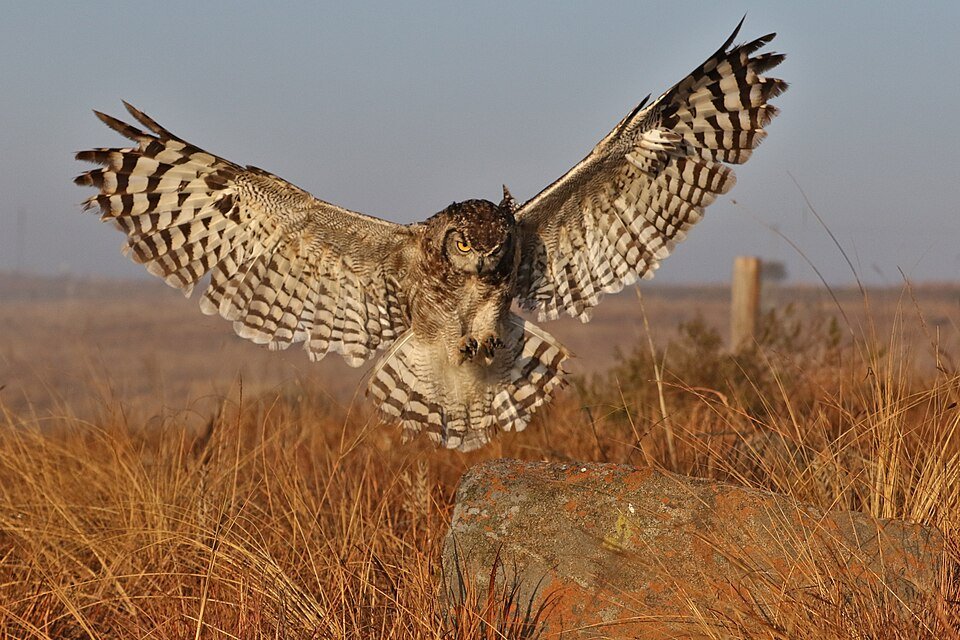
The centre also advertises specialist handling and photographic programmes, booked in advance. Investigate those separately from a normal visit. Ask what participation involves, which animals are used, how the activity is supervised and what happens if an animal does not participate.
SATSA's captive-wildlife toolkit offers a broader framework based on why animals are captive, where they came from, how they are used and their future destination. Its scope includes birds trained for public displays, so consider a flight demonstration as well as optional handling or photography activities. SATSA says it does not endorse assessment outcomes made by other organisations or private initiatives. Linking that framework does not certify this centre.
Consider whether you want to observe and learn or take part in an optional close-contact activity. Read the relevant programme description and ask for evidence where an answer matters to your decision. A rehabilitation or conservation label alone cannot answer every question about an individual tourism interaction.
Make the visit workable for your group
Ask about the walking route, seating and any access needs before arrival. The operator warns that the demonstration area has no shelter, so take its advice about hats and sunscreen and check the forecast. Do not assume a displayed accessibility icon answers every practical requirement.
Leave a sensible gap before lunch or the next booking. Confirm refreshment availability if you intend to eat on site, and bring the essentials your party needs. Keep a town-based alternative available for a closed day or changed programme.
For a later, separate Cape Peninsula stage, check Aqua Terra's direct availability in Simon's Town. Aqua Terra welcomes guests aged 12 and older.
Prepared and editorially reviewed by the Aqua Terra editorial team on 2 November 2026. Programme details come from current published operator information; opening, rates and activities require reconfirmation for your date.
Further Reading
Golden Gate and Drakensberg: Planning a Two-Base Trip
Tue November 3, 2026
Read This Article
Basotho Cultural Village: Planning a Guided Visit
Tue November 3, 2026
Read This Article
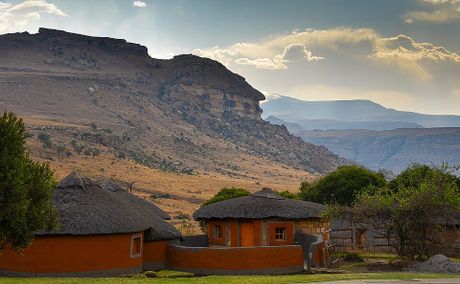
Plan a Basotho Cultural Village museum visit with a guide, distinguish specialist trails from the rest camp, and confirm the programme for your date.
Clarens Rafting Holiday: Planning an Ash River Outing
Tue November 3, 2026
Read This Article
Fit a guided Ash River outing into a Clarens weekend, comparing half-day and full-day packages, transfers, participant requirements and current operation.


Share This Post