


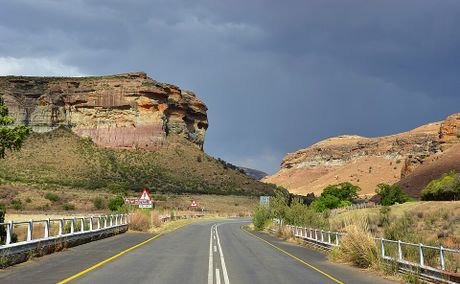
Connect Golden Gate sandstone landscapes with a northern Drakensberg stay, allowing separate full days, the correct entrances and current access checks.
De Hoop Nature Break: Dunes, Fynbos and Time by the Vlei
Posted on Tue November 3, 2026.
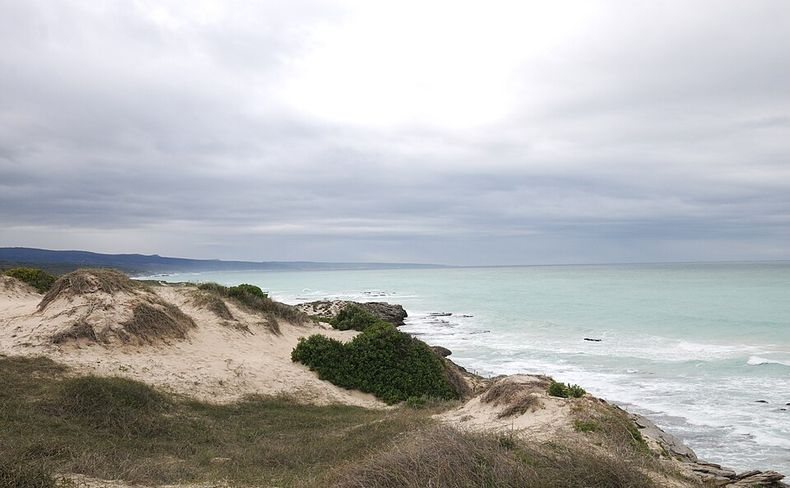
Plan a De Hoop day visit or two-night stay around Koppie Alleen, a tide-dependent marine walk, fynbos and the wetland.
A De Hoop nature break works best when the coast, fynbos and vlei each get time, rather than becoming three stops squeezed into an onward drive. For a first stay, consider two nights: arrive, spend one full day between Koppie Alleen and the inland reserve, then leave without making a final activity compete with a distant check-in.
You can also visit for the day, provided your chosen experiences fit the confirmed entry and departure arrangements. The reason to stay is having more room for the landscape and a tide-dependent outing, rather than a guarantee of wildlife sightings or particular weather.
Featured photograph: coastal dunes and fynbos at Koppie Alleen, Josep M. Gracia, August 2017, Wikimedia Commons, CC BY-SA 4.0. Resized and cropped; adapted photograph retains that licence. Archive landscape, not current flowers, weather or access information.
Choose a reserve stay or a planned day visit
An actual traveller asks what can be done at De Hoop in one day, including activities and transport. More recently, a July 2026 traveller describes one De Hoop night before driving to Cape Town Airport. Both questions show why the available time matters as much as the attractions.
For a day visit, choose one main experience and leave space for the journey inside the reserve and a meal. For two nights, use the first afternoon to settle in and ask about conditions, then arrange the full day around a confirmed coastal visit. These are editorial planning examples, not accommodation minimums or guaranteed activity schedules.
If marine viewing is your main interest, our whale-watching planning guide discusses the separate coastal-trip decision. De Hoop's appeal here is a reserve stay that also gives time to dunes, plants and the wetland. It should still interest you when whales are absent.
Give Koppie Alleen a proper coastal window
CapeNature identifies the dunes at Koppie Alleen as a land-based viewing point. Start with the coast itself: the pale sand, vegetated dunes and rocky shoreline offer a different setting from the inland wetland. Ask reception which visitor areas and walking options are open that day, then choose the outing your group actually wants.
The reserve's official brochure describes southern right whales using these waters between June and November. That seasonal context is a reason to bring binoculars, not a promise of sightings on your dates. Outside that period, make sure the scenery and other reserve experiences are enough to justify the visit.
Do not turn a coastal photograph into a swimming recommendation. Tide, swell, weather and the exact location affect what is appropriate. Ask the reserve staff about current restrictions and follow their instructions; this guide does not identify an independently approved swimming spot.
Book the marine walk around the tide
De Hoop Collection's current marine-walk page describes a guided, approximately two-hour exploration of rock pools and sandy beaches. Its instructions call for confirming low tide with the guides the previous day and booking at reception. Arrange the actual meeting time and place directly.
Ask about the walking surface, transfers to the starting area and participation requirements before paying. A two-hour activity may need more space in your day once you include the journey to its meeting point. Keep lunch and the departure plan flexible until the booking is confirmed.
The interest is learning to notice the intertidal life, rather than collecting anything. Leave shells, stones, plants and organisms in place. CapeNature's visitor rules explicitly prohibit their removal, and its brochure describes the marine protected area as a no-take zone where fishing is not permitted.
Spend some of the visit inland
The reserve's official information distinguishes wildlife watching, walking and mountain biking from the coast and the separately booked Whale Trail. Ask for a current visitor map before choosing a walk. A short outing with time to look at plants can be more satisfying than selecting the longest route available.
Fynbos rewards a closer look at its different forms and textures. The official brochure describes proteas, ericas, restios and bulbous plants as characteristic groups. Do not expect every group to be in flower during one visit, or the vegetation to match an archive image.
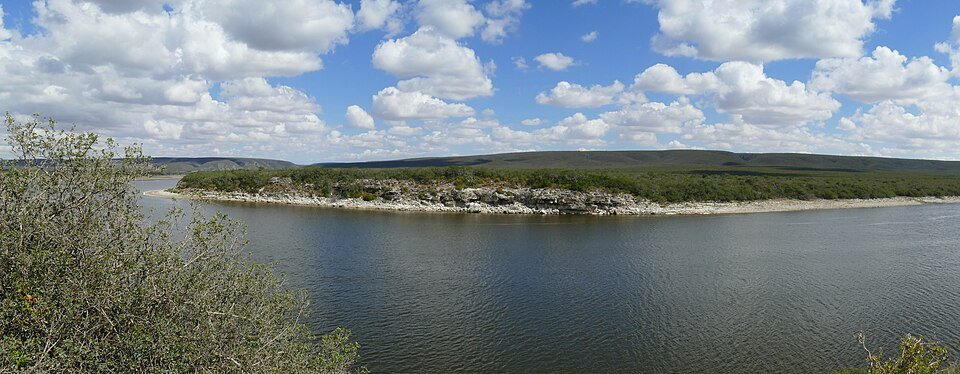
The vlei provides another focus, especially for travellers interested in birds. Take binoculars and allow time to observe rather than driving continuously between viewpoints. Wildlife is free-ranging: the presence of bontebok, eland or Cape mountain zebra in reserve information does not mean every visitor will see them.
Confirm the correct entrance, hours and charges
Use the provider's written directions for your actual booking. Its location page describes gravel approaches and mostly gravel roads within the reserve. Ask about current conditions and your vehicle before travelling, and check the rental agreement separately. Do not infer that a navigation shortcut or a particular vehicle will be suitable from an old forum reply.
Gate hours and a visitor's permitted stay are different details. CapeNature's linked 2025 day-visitor sheet gives check-in from 08:00 to 14:00 and checkout at 16:00, alongside later gate-closing times. Other official material presents different entry cutoffs. Ask which gate and check-in, last-entry and checkout times apply to your booking.
Published charges also differ between the reserve, tariff and operator pages. Request the current conservation charge, any additional visitor or stay levy, and what a Wild Card covers. A restaurant or accommodation quote should not be assumed to include every reserve charge.
For meals, the operator welcomes day visitors to the Fig Tree restaurant and asks for advance picnic orders. Confirm the meal booking within your authorised visit. If your wider holiday includes the Cape Peninsula, check Aqua Terra availability in Simon's Town for that separate stage. Aqua Terra welcomes guests aged 12 and older.
Research by Aqua Terra on 2 November 2026. Visitor information rechecked on 3 November 2026. Confirm access, charges, walking permissions and activity arrangements for your dates. Wildlife and conditions cannot be guaranteed.
Further Reading
Golden Gate and Drakensberg: Planning a Two-Base Trip
Tue November 3, 2026
Read This Article
Basotho Cultural Village: Planning a Guided Visit
Tue November 3, 2026
Read This Article
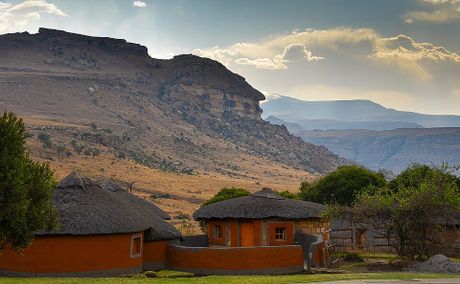
Plan a Basotho Cultural Village museum visit with a guide, distinguish specialist trails from the rest camp, and confirm the programme for your date.
Clarens Rafting Holiday: Planning an Ash River Outing
Tue November 3, 2026
Read This Article
Fit a guided Ash River outing into a Clarens weekend, comparing half-day and full-day packages, transfers, participant requirements and current operation.


Share This Post