


Connect Golden Gate sandstone landscapes with a northern Drakensberg stay, allowing separate full days, the correct entrances and current access checks.
A Company's Garden Heritage Walk: Choose Your Story
Posted on Tue November 3, 2026.
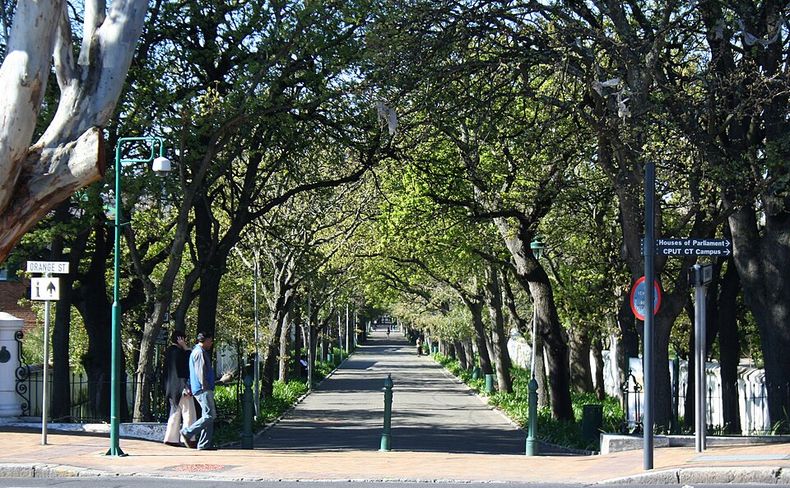
Plan a Company's Garden heritage walk around the avenue, the colonial landscape and one cultural stop, with current park hours and separate museum arrangements.
Researched by Aqua Terra on 2 November 2026. Sources reviewed on 3 November 2026.
The Company's Garden is worth considering when you want a central Cape Town walk that connects landscape, public buildings and history. It serves a different purpose from a dedicated botanical excursion. Plan a short garden-and-avenue visit with one cultural stop, rather than expecting a complete tour of every museum in the precinct.
The most rewarding question is not simply whether the lawns look attractive. It is how this space changed from a colonial provisioning garden into a public park surrounded by institutions of government, learning and memory. That story gives a walk direction without turning it into a hurried checklist.
Begin with a manageable precinct plan
The City's current facility page places the garden beside Parliament, with access from the Queen Victoria Street area and the upper end of Adderley Street. Its listed opening hours are 07:00 to 19:00 from September to March and 07:00 to 18:00 from April to August. Confirm any temporary changes before a visit built around an early or late entry.
Start from the entrance that suits your confirmed transport and chosen museum. You do not need to cross the city on foot merely because the garden itself is walkable. If staying at the Waterfront or elsewhere, plan the transfer separately and check the approach for your party's walking comfort.
The City links a 2025 precinct-walk booklet with numbered places and a map. It estimates about an hour for the garden walk, with additional time for museums, galleries and refreshments. Use that as a starting estimate, not a promise for a group that wants to read, photograph and sit down along the way.
Read the landscape as part of the city's history
The garden's name refers to the Dutch East India Company. The City dates its establishment as a ship-provisioning garden to 1652. That is the beginning of this particular colonial institution, not the beginning of human history in Table Valley.
The precinct booklet places First Nations presence before the settlement and describes the consequences of European expansion. Keep that wider context in mind when reading plaques that concentrate on individual colonial officials. A garden can be an attractive public place while also carrying a history of dispossession and coerced labour.
As you look at the avenue and surrounding buildings, consider how different purposes occupy the same space: food supply, administration, science, recreation and commemoration. You do not need to memorise every date. Following one thread and asking whose work or experience is less visible can make the visit more meaningful.
Add the Slave Lodge if that history is your priority
The Iziko Slave Lodge, at the corner of Adderley and Wale streets, is a strong companion to the walk. Iziko explains that its lower-level exhibitions examine slavery in South Africa, while changing exhibitions also address human rights. The building itself has served different institutional roles over time.
This gives the garden's colonial story a necessary human context. Make it a deliberate museum visit rather than a quick exterior photograph. Read the current exhibition information and allow time for material that may require reflection, especially if travelling with teenagers.
Not every gallery inside has the same subject. Iziko notes that some upper-level displays concern other collections rather than slavery. Choose the exhibits that answer your interest, and ask staff where to begin instead of assuming every room follows one chronological route.
Check the museum's own admission and opening information. Garden access does not include entry to a museum, and a public park's daily hours do not establish that the Slave Lodge is open on a Sunday or public holiday.
Use Government Avenue to connect the outdoor visit
The City's booklet identifies Government Avenue as the precinct's central connection between Adderley Street and Orange Street. Follow the public paths using the map and current signs, choosing short side visits rather than trying to reproduce every numbered stop.
Notice how the garden and the surrounding institutions relate to one another. View Parliament and Tuynhuys as part of that setting, while respecting boundaries and any security instructions. A place appearing on a heritage map does not establish permission to enter its grounds or buildings.
For an easier pace, agree where to sit and which museum is optional before setting off. Ask for specific access details if steps, surfaces or distances matter. A description such as gentle stroll cannot establish an accessible route for every mobility aid or visitor.
Choose art as an alternative indoor anchor
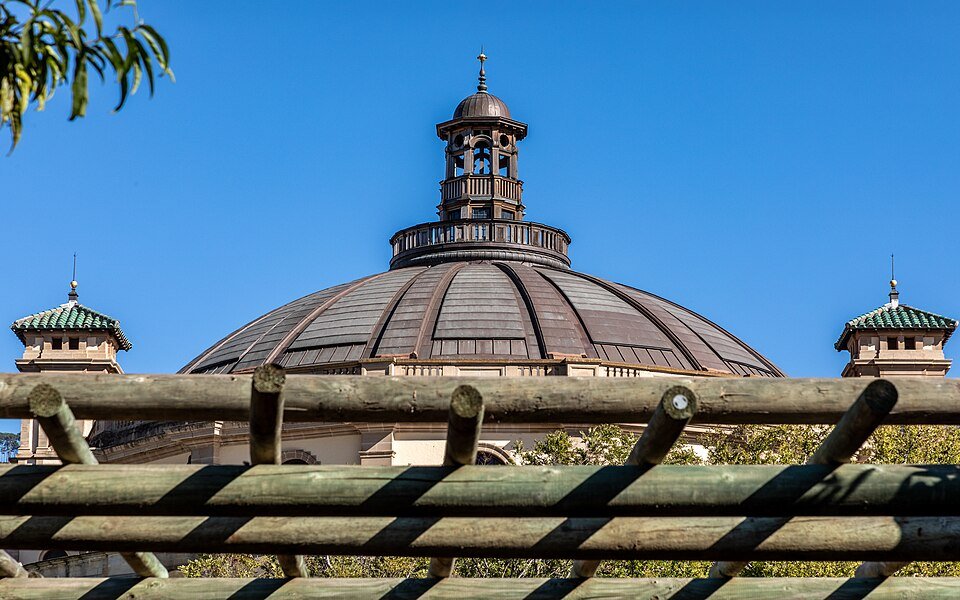
If your group prefers visual art, consider the Iziko South African National Gallery instead of adding another substantial history museum. Its permanent-collection selections change, alongside temporary exhibitions across media including painting, photography, sculpture and textiles.
Look at the current exhibition programme before committing. A photograph of a celebrated work in an old review does not guarantee that it is on display. Choosing one exhibition carefully can be more satisfying than rushing through rooms to say you visited another attraction.
Leave room for the park itself
Keep a quiet interval between the indoor visit and the next appointment. The City lists lawns, paths, water features, a restaurant and public toilets among the facilities. Confirm practical details locally if a meal, accessible toilet or particular meeting point is essential.
Historical statues and memorials can prompt questions rather than function only as photograph stops. Read their inscriptions critically and distinguish who commissioned a monument from the people or events it claims to represent. Avoid treating a single plaque as the whole story.
If your holiday also includes a Cape Peninsula stage, check Aqua Terra availability in Simon's Town for your False Bay stay. Aqua Terra welcomes guests aged 12 and older. Keep the central-city walk and its transport as a separate part of the itinerary.
Featured photograph: a north-facing view through the Company's Garden, 8 September 2012, by Discott, Wikimedia Commons, CC BY-SA 3.0. Archival avenue view, not today's conditions. Featured image resized and may be cropped; adaptations retain the licence with changes declared.
Further Reading
Golden Gate and Drakensberg: Planning a Two-Base Trip
Tue November 3, 2026
Read This Article
Basotho Cultural Village: Planning a Guided Visit
Tue November 3, 2026
Read This Article
Plan a Basotho Cultural Village museum visit with a guide, distinguish specialist trails from the rest camp, and confirm the programme for your date.
Clarens Rafting Holiday: Planning an Ash River Outing
Tue November 3, 2026
Read This Article
Fit a guided Ash River outing into a Clarens weekend, comparing half-day and full-day packages, transfers, participant requirements and current operation.



Share This Post