


Connect Golden Gate sandstone landscapes with a northern Drakensberg stay, allowing separate full days, the correct entrances and current access checks.
Plan a Cederberg Photography Trip Around Access and Light
Posted on Tue November 3, 2026.
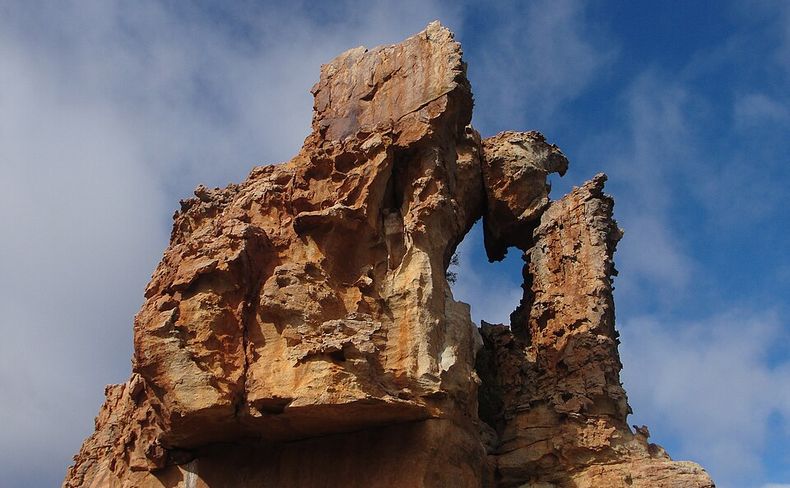
Choose a Cederberg photography outing around confirmed access, daylight or night-session arrangements and the tuition you want, while protecting rock art and landscapes.
Plan a Cederberg photography trip around a confirmed place to photograph, permission to be there and an appropriate return time. Choose the light after those arrangements are clear. A dramatic sandstone photograph does not establish that the location is open, that its approach suits your vehicle or that visitors may remain after dark.
The useful distinction is between a daylight landscape outing, a mountain hike with a camera and a specialist night-photography session. They can require different accommodation, support and access arrangements. Pick the experience you want before assembling a list of famous formations.
Featured photograph: sandstone formations at Stadsaal Caves, 15 July 2012, Zaian, Wikimedia Commons, CC0 1.0. Resized and cropped. Archival landscape, not evidence of current entry or a promised photographic viewpoint.
Choose the kind of photography holiday you want
A daylight outing can centre on looking carefully at texture, colour and the relationship between a formation and its surroundings. You do not need to reach the most remote arch for a worthwhile set of photographs. Time to observe one accessible location may serve you better than carrying equipment between several ambitious objectives.
The Cederberg Conservancy's geology introduction describes a landscape dominated by sedimentary sandstone and shale, shaped over long periods. That gives a visitor more to notice than a single recognisable silhouette: layers, weathered surfaces and the scale of a rock against the wider mountains can all become subjects.
Decide whether your priority is learning, a particular composition or simply recording a holiday. A non-photographer travelling with you may prefer a shared walk and meal to repeated stops while light changes. Agree on that balance before booking several nights around photography.
Ask for tuition if learning is the priority
A sightseeing guide, hiking guide and photography tutor provide different services. Describe your camera experience and what you want help with, then ask who will provide that support. Do not assume that a guided transfer includes individual instruction or that a workshop includes every journey between locations.
For a night-photography example, Bliss & Stars advertises its Orion's Odyssey retreat in the Cederberg, with an astrophotography workshop and dates including 4-7 February 2027. Ask what is taught, what equipment is provided and what happens if cloud prevents a session. That private-property programme gives no permission to photograph on neighbouring farms or in the reserve.
Before paying for any future workshop, obtain its actual dates, locations, walking demands, transport inclusions and arrangements for companions. Ask whether time is shared between teaching and taking your own pictures. A busy itinerary is not automatically a better learning experience.
Settle access before planning sunrise or sunset
On 3 November 2026, CapeNature's Cederberg visitor page still linked a post-fire and flood notice dated 27 May 2026. It recorded road damage, including Uitkyk Pass collapse, and closures with prospective reopening dates. Those planned dates do not confirm today's access.
Ask the reserve or landowner about the specific photographic location, usable approach and permitted visiting period. A room reservation does not automatically provide access to neighbouring land. Nor does a daytime permit establish that you can enter before dawn, stay after sunset or camp beside a formation.
Once access is confirmed, look at the scene in daylight and agree on a return plan that respects the permitted hours. Choose a composition you can reach and leave within that plan. Do not let an anticipated photograph dictate an unauthorised late return.
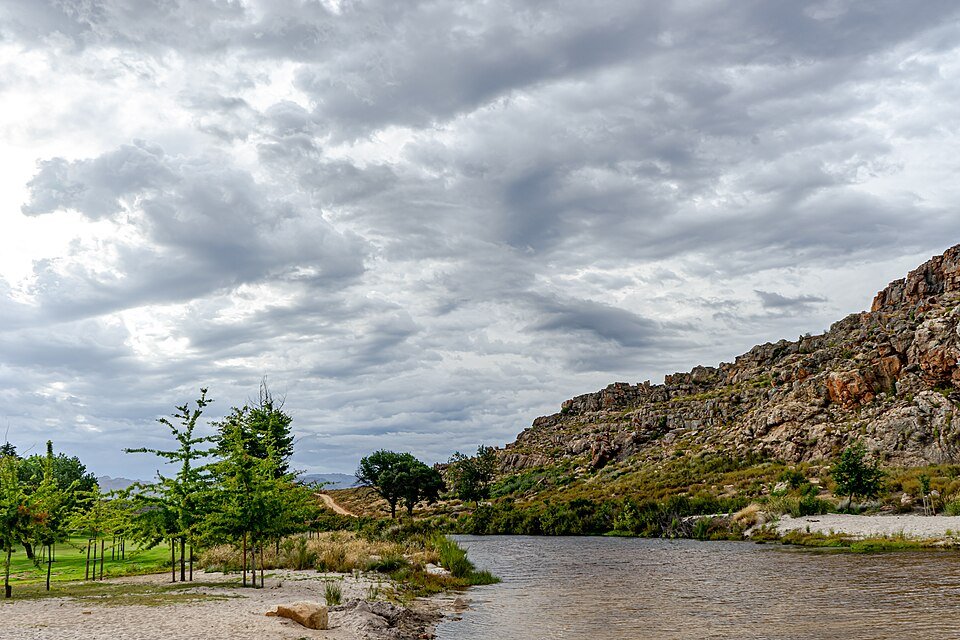
Keep night photography as a separate decision
An actual holidaymaker asking about Milky Way photography also asks about groups and suitable overnight stops. The Cederberg appears among the replies. That is a different planning question from choosing a short daytime rock-formation visit.
If night photography matters, arrange a specifically authorised location and discuss access, supervision and return arrangements with the host or responsible manager. A dark-looking landscape in a photograph is not proof of public night access. Consider a guided programme if you want support, while confirming exactly what it provides.
Cloud, wind and the sky visible on your dates can change the photographic opportunity. Ask the tutor or organiser what the programme offers when a planned sky session cannot happen. No workshop or holiday guide can guarantee a particular image. This article does not provide remote night-navigation instructions or establish personal safety at a site.
Protect the setting around the photograph
Keep tripods, bags and people within authorised visitor areas. Do not move stones, clear plants or leave marks to improve a composition. A photograph can show the place as you encountered it without changing the landscape to match another person's image.
If your visit includes rock art, keep equipment and hands away from the painted surface and follow the site's photography instructions. The Cederberg Conservancy explains that San paintings carry symbolic and religious meanings and should not simply be read as literal scenes. A striking image does not justify inventing a definite story for a panel.
For site choices and walking expectations, use our Cederberg rock-art guide. For the separate mountain-hiking decision, read the Wolfberg Cracks preparation guide. Neither route should be added merely because you are carrying a camera.
Declare organised shooting and drone plans
CapeNature publishes a filming and photography permit process through Permitz and requires written reserve-management permission for permitted drone use. Do not assume that owning a drone or holding an ordinary visitor booking authorises a flight.
If you are organising a shoot, producing marketing material or unsure which process applies, describe the planned use and equipment to the responsible authority before booking. This is a referral to the current requirements, not an interpretation of an individual's legal entitlement. Keep any required approvals with the trip arrangements.
For a separate Cape Peninsula stage, check Aqua Terra availability in Simon's Town. Aqua Terra welcomes guests aged 12 and older. Give the inland photography stay its own time and confirmed access.
Researched and reviewed by Aqua Terra on 2 November 2026. Published information checked on 3 November 2026. Confirm current access, permissions and any workshop departure directly; photographs and older listings do not establish availability.
Further Reading
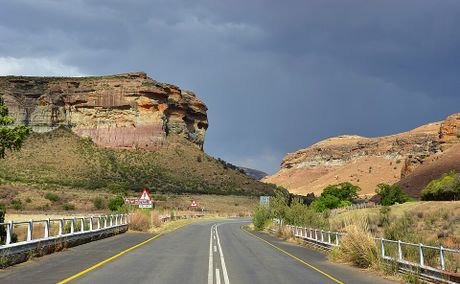
Golden Gate and Drakensberg: Planning a Two-Base Trip
Tue November 3, 2026
Read This Article
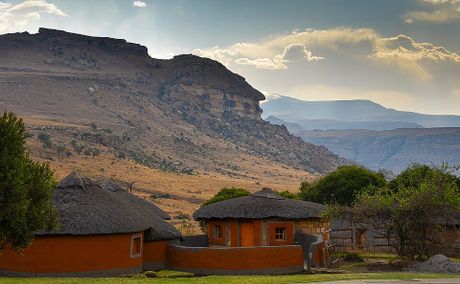
Basotho Cultural Village: Planning a Guided Visit
Tue November 3, 2026
Read This Article
Plan a Basotho Cultural Village museum visit with a guide, distinguish specialist trails from the rest camp, and confirm the programme for your date.
Clarens Rafting Holiday: Planning an Ash River Outing
Tue November 3, 2026
Read This Article
Fit a guided Ash River outing into a Clarens weekend, comparing half-day and full-day packages, transfers, participant requirements and current operation.


Share This Post