


Compare Sevilla, Stadsaal and Truitjieskraal for a Cederberg rock-art trip, with walking expectations, permits and essential road-access checks.
Witsand Nature Reserve: Exploring the White Kalahari Dunes
Posted on Mon November 2, 2026.
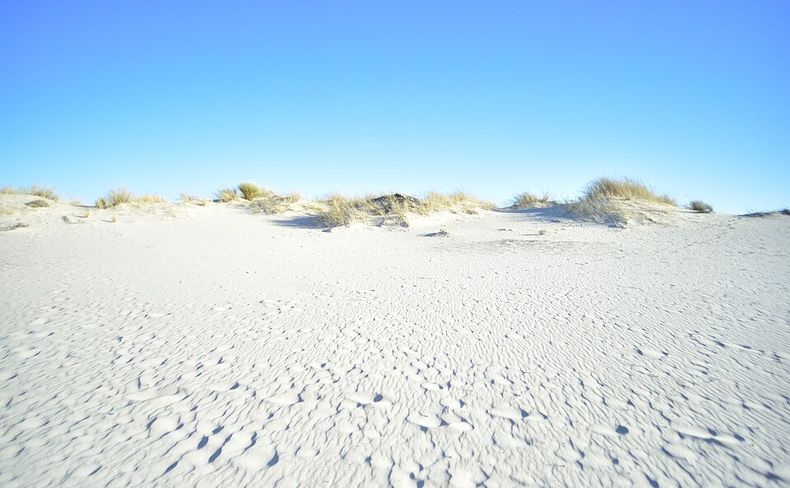
Discover why Witsand has white Kalahari dunes, what the roaring sands depend on, and how to plan a landscape-focused Northern Cape visit.
Witsand Nature Reserve offers a striking change from the red-dune image of the Kalahari: pale inland dunes sit within a wider landscape of reddish sand, rocky ground and dryland vegetation. Come for the contrast, a closer look at dune life and the possibility of hearing the famous roaring sand. The sound depends on conditions, so it should be an extra rather than the sole reason for travelling.
This is Witsand in the Northern Cape, in the area between Postmasburg, Olifantshoek and Groblershoop. It is a different destination from coastal Witsand at the Breede River mouth and Witzands Aquifer Nature Reserve near Atlantis. Check the province and exact reserve location before using a booking page, map pin or activity listing.
Why these Kalahari dunes are white
A University of the Free State vegetation study explains the colour through groundwater. Red Kalahari sand normally carries an iron-oxide coating. Water moving through the Witsand dune system has leached that coating over a long period, leaving the sand pale. The shallow water table helps explain the contrast with the surrounding red dunes.
That makes this more than a colour change in a photograph. The dunes belong to a particular ecological setting, with sandy plains, rocky outcrops and temporary pans among the habitats studied. Although the underground water is central to the explanation, this is not a river or lakeside holiday: the study notes no river system at or near the reserve.
For visitors, the useful approach is to look at the whole landscape. Notice how exposed sand gives way to grasses, shrubs and trees, and how the pale dunes stand against their surroundings. A guided interpretation, where available, can help connect what you see with the less visible water and vegetation story.
Treat the roaring sands as a conditional experience
South African Tourism describes the Brulsand phenomenon as a low resonant sound associated with movement of sand grains. Hot, dry conditions are needed. A visit on another kind of day can still reveal the dune landscape without producing the sound you hoped to hear.
Ask reserve staff whether conditions currently suit the experience and which area visitors may use. Follow their instructions rather than repeatedly disturbing a slope in pursuit of a recording. Do not organise the whole holiday around an informal claim that a particular month guarantees the dunes will roar.
The name can also produce misleading search results. Coastal beach activities and Atlantis sandboarding permits do not establish what operates at the Northern Cape reserve. Match every activity enquiry to the correct destination and current management arrangements.
Choose between a dune visit and an activity-led stay
A landscape-focused visit could centre on an authorised dune walk, photography and time looking for birds. An activity-led stay may add sandboarding or a guided excursion if the reserve confirms it is operating. South African Tourism lists dune-board hire, walking, cycling and 4x4 experiences, but an advertised activity is not confirmation of equipment, guide availability or access on your date.
Ask about the current meeting point, permitted areas and participation requirements before paying. Walking up soft sand and returning down a slope is a different outing from following a firm path. Describe any mobility needs to the reserve and request specific access information rather than relying on a general family-friendly label.
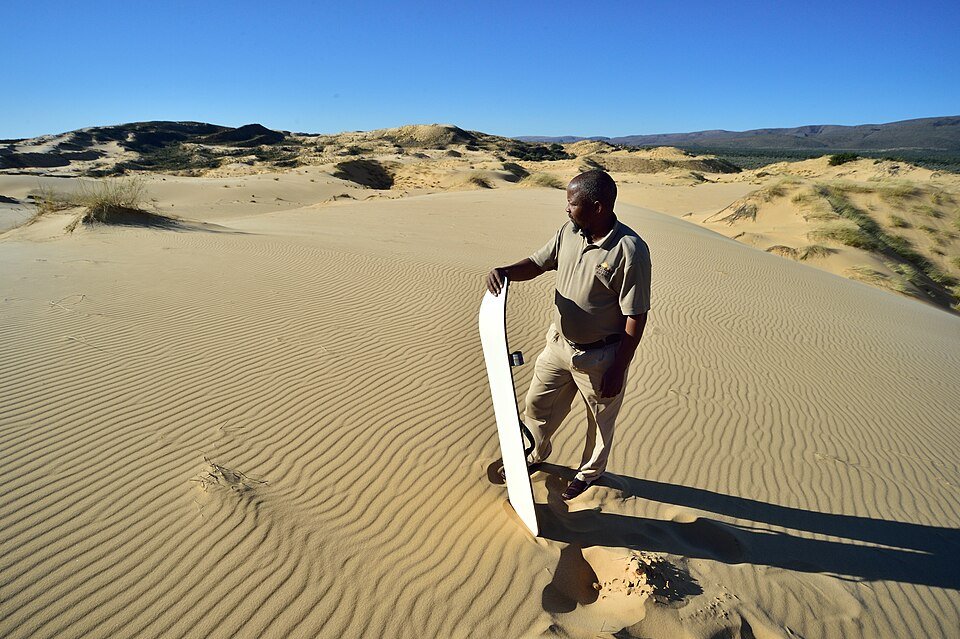
Sandboarding at Witsand in the Northern Cape, June 2015, by South African Tourism, CC BY 2.0. Historical activity photograph, not confirmation of today's equipment, supervision or access. Unmodified web reproduction.
Leave time for the vegetation and birds
The white dunes are the obvious attraction, but the reserve's interest does not end at the bare sand. South African Tourism identifies a botanical meander and dryland birding among the experiences. Ask reception for the current walking options and identification material, especially if you want a shorter alternative to climbing dunes.
Bring binoculars if birds are part of the appeal, and leave room to stop and observe. A short route can take longer when you are watching nests, interpreting tracks or photographing plants. Avoid setting an ambitious distance target before you know the conditions and the route permitted that day.
Keep to authorised visitor areas and leave natural material where it lies. The Friends of Witsand reserve brochure also warns visitors to keep out of the dunes during thunderstorms. Let current weather and staff instructions determine whether a dune outing should proceed.
Plan the approach as part of the visit
Confirm the recommended approach and recent road condition directly with the reserve before departure, including whether it suits your vehicle and any trailer. Historic travellers' accounts raise corrugation as a planning issue; they cannot certify the road you will encounter now. Keep enough margin to arrive within the reserve's confirmed gate and check-in arrangements.
For an overnight stay, check the exact accommodation category, cooking equipment, meal arrangements, drinking water and power provision. Pack for that booking rather than a generic Kalahari campsite. If you want an evening outing or stargazing, establish who operates it and how you return to your accommodation.
One possible outline is arrival and settling in, followed by a confirmed dune or botanical outing the next morning. Add another night if you want several activities or a slower photographic visit. This is an editorial framework, not a package: current access and availability determine the detail.
If this forms part of a wider Cape Town holiday, give the Cape Peninsula its own separate stage for coastal scenery and Boulders Beach, and check Aqua Terra availability in Simon's Town.
Featured photograph: Witsand's Northern Cape dunes, June 2015, by South African Tourism, CC BY 2.0. Archival landscape, not current weather or access conditions. Featured image resized and cropped for website display. Research and editorial review: Aqua Terra, 2 November 2026.
Further Reading
Cederberg Rock Art Without Long Hikes: Sevilla and Stadsaal
Mon November 2, 2026
Read This Article
Coffee Bay, Morgan Bay or Chintsa for a Family Holiday?
Mon November 2, 2026
Read This Article
Compare Coffee Bay, Morgan Bay and Chintsa for a family holiday, including arrival plans, accommodation, beach access and what to check before booking.
Can You Visit the Drakensberg Without Hiring a Car?
Mon November 2, 2026
Read This Article
Plan a Drakensberg holiday without a rental car: arrange arrival transfers, trailhead transport, guided outings and your return journey.


Share This Post