


Avoid leaving luggage in a parked car while sightseeing. Use secure accommodation, keep valuables with you and plan the handover between check-out, Cape Point and your next stay.
What Language Do They Speak in Cape Town? (Is English Enough?)
Posted on Tue September 15, 2026.
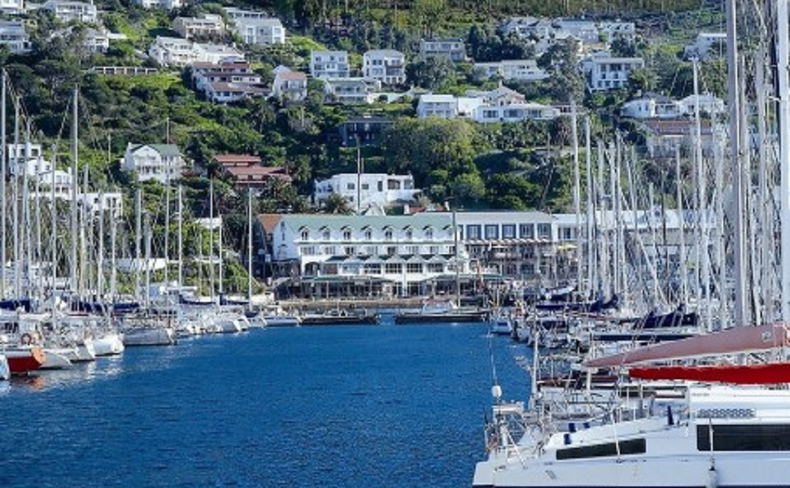
English is completely enough: you can bank, dine, hike, hospital and argue about the rugby entirely in English in Cape Town. But the city's voice is a three-language mix, English,
Last reviewed: September 2026
English is completely enough: you can bank, dine, hike, hospital and argue about the rugby entirely in English in Cape Town. But the city's voice is a three-language mix, English, Afrikaans and isiXhosa woven through daily life, and picking up a pocket of words turns competent tourism into actual connection. Here is the honest language picture, plus the phrases that make waiters, guards and grandmothers smile.
The city's languages
English is the default of the tourism economy, the business district and most everyday exchanges you will have as a visitor. Afrikaans remains deeply rooted across the Cape, from the kitchen conversations to the street names that make navigating a small lesson in itself. isiXhosa is the most widely spoken home language across the wider metro, and hearing its clicking consonants is part of Cape Town's soundtrack. Signage runs bilingual at minimum; menus, museums and transport are English-first; and every attraction, pharmacy and hospital serves you in English without a blink.
The pocket of words worth carrying
Start with greetings, which are the local currency. Howzit is the all-purpose hello, short for how is it, and answered with the same. Lekker means great, tasty, wonderful and about six other good things; use it freely. In Afrikaans, baie dankie is thank you very much, and asseblief is please. In isiXhosa, molo is hello to one person and molweni to a group, and unjani, how are you, will earn a delighted follow-up. Then there is the vocabulary of daily life: a robot is a traffic light, a braai is barbecue as social institution, and just now means anything from five minutes to never, which visitors learn with affection.
Pronunciation without fear
Afrikaans looks harder than it sounds: g is a throaty scrape, and place names follow logic once you have heard them once. Muizenberg, Kalk Bay, Gugulethu and Langa are all friendlier said aloud than studied silently, and locals are gentle teachers. The isiXhosa clicks are genuinely learnable at greeting level; most visitors manage molo perfectly by day two and feel enormous about it.
Where English does not quite reach
Almost nowhere that matters practically: hospitals, banks, police, pharmacies and transport all run in English. The richer loss is conversational, in family kitchens and shebeens and taxi ranks, which is one more reason community-led experiences, like the township tours covered in our ethics guide, are guided by locals: the story arrives in its own voice.
Where Aqua Terra fits
Aqua Terra is an owner-managed, five-suite guesthouse above False Bay, and the hosting includes the fun bits: hosts who will teach you the greetings over breakfast and laugh kindly at your first attempt at a click.
Check live availability for a Simon's Town stay, or message Garth on WhatsApp for direct booking help.
The short answer
English is entirely enough for everything practical in Cape Town. A pocket of Afrikaans and isiXhosa greetings converts it from enough to welcome, and the vocabulary of robots, braais and lekker will sneak into your speech long after you fly home.
Frequently asked questions
Can I travel Cape Town speaking only English?
Completely: every practical layer of the city, from hospitals to hiking permits, runs comfortably in English.
Do I need Afrikaans?
No, but a baie dankie at the till earns a smile that English alone does not.
What does lekker mean?
Great, nice, tasty, enjoyable: the local all-purpose positive, and your fastest route to sounding like you belong.
Is isiXhosa really a clicking language?
Yes, and the clicks appear in everyday greetings; molo is an easy, friendly first word to try.
Continue planning: Is cape town worth visiting
Further Reading

Can You Leave Luggage in Your Car While Touring the Cape Peninsula?
Tue September 15, 2026
Read This Article
Are There Sharks in False Bay? An Honest Local Answer
Tue September 15, 2026
Read This Article
False Bay has sharks, but designated spotting beaches, clear flag protocols and Fish Hoek's seasonal exclusion net help swimmers make informed choices. Learn how the system works before choosing a beach.
Cape Point vs Cape of Good Hope: What Is the Difference?
Tue September 15, 2026
Read This Article
Cape Point and the Cape of Good Hope are different landmarks within the same reserve. Learn what each one is, where the two oceans meet, and how to visit both.



Share This Post