


Compare Sevilla, Stadsaal and Truitjieskraal for a Cederberg rock-art trip, with walking expectations, permits and essential road-access checks.
How to Plan a Sutherland Stargazing Holiday
Posted on Mon November 2, 2026.
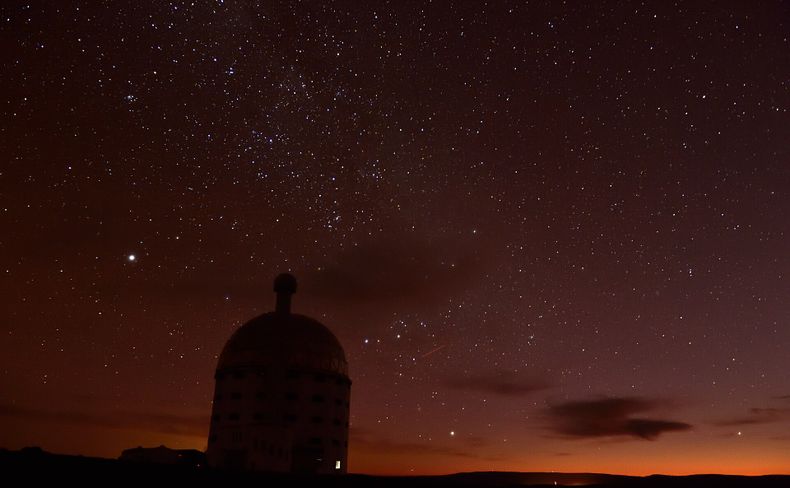
Build a Sutherland stargazing break around the right booking: distinguish SALT day visits, visitor telescopes and planetarium shows, with room for weather.
Plan a Sutherland stargazing holiday around a confirmed observing session, then give yourself time for the town, a daytime observatory visit and changing weather. A two-night stay can offer a more relaxed framework than driving in for one evening and leaving early the next morning. It still cannot guarantee a clear sky.
The most useful first step is to decide what you want to experience. A visit to a research observatory, looking through a visitor telescope and watching a planetarium show are different activities. Booking one does not automatically include the others.
Know which astronomy experience you are booking
The South African Astronomical Observatory's Sutherland visitor page separates day tours from stargazing bookings. Use those official routes to establish what is available on your dates, rather than assuming a photograph of SALT describes your ticket.
SAAO's stargazing information explicitly says that the night activity uses dedicated visitor telescopes and does not include access to SALT. Research telescopes are not open to public night visits. If seeing the observatory during the day matters to you, investigate a separate day-tour booking.
The Sutherland Planetarium offers astronomy-related fulldome shows as well as its own outdoor telescope sessions. Check which product you are selecting. An indoor show can help explain what you hope to see outside, but it is not a substitute for the live sky if observing is your main reason for travelling.
Secure the observing date before fixing the whole weekend
Booking information checked on 2 November 2026: SAAO lists stargazing on Mondays, Wednesdays, Fridays and Saturdays, with closures on Sundays and public holidays. The published session is approximately 90 minutes and can be cancelled because of inclement weather. Confirm your specific date, start time and terms through its booking link before arranging the rest of the trip.
Check how cancellation, rescheduling and any weather-related change will be handled. A second night in town creates some flexibility, but it does not create an extra observing slot unless the operator can accommodate you.
Keep the booking confirmation and meeting instructions offline. Tell your accommodation when you expect to return, and arrange dinner so it does not collide with the session. That small piece of planning is more useful than filling the afternoon with another distant excursion.
Choose dates for the sky you want to see
NASA's stargazing guidance explains that bright moonlight makes faint stars and other faint objects harder to see. For a trip focused on darker skies, check the Moon's phase and its local rising and setting times, then discuss the date with your observing operator.
A bright Moon does not make astronomy pointless. The Moon itself is an accessible observing target. Decide whether your priority is faint objects, learning the constellations, viewing the Moon or simply sharing an introductory evening under the stars.
Ask what is likely to be visible during your session. The season, time of night and conditions affect the programme. Avoid making one named planet, photograph or promised view the sole measure of whether the holiday was worthwhile.
A relaxed two-night outline
Arrival day: reach your accommodation with enough time to settle in, confirm dinner and locate the meeting point. If you have booked that evening's observing session, keep the rest of the day light. Do not build the booking around a last-minute arrival after a long drive.
Full day: use a confirmed daytime tour or planetarium show as the main activity, with time for lunch and a rest before any evening programme. Ask your host about current local opening hours rather than relying on an old list of restaurants.
Departure morning: leave room for a slower start after a late night. This outline is a suggested rhythm, not a package or a statement that every attraction runs on those days. Match it to the bookings you actually secure.
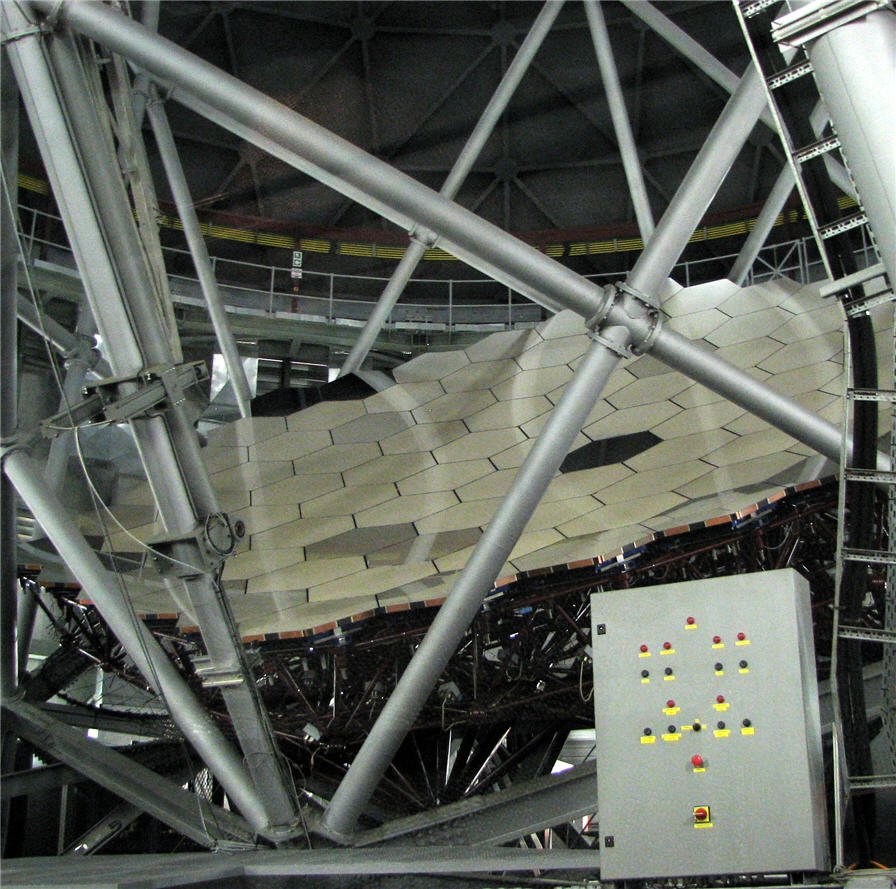
Archive photograph of SALT's mirror by Roelof Valentine (Valroe), 8 March 2008, released into the public domain. Resized for web display. This illustrates research equipment, not the visitor telescope used for a public night session.
Pack for standing outside after dark
SAAO describes very cold winter conditions at its Sutherland site. Check the forecast for your dates and ask the operator what to bring. Warm layers, closed shoes and something for your head and hands are practical items to consider for an outdoor session.
Ask your accommodation about heating, bedding and the arrangements for a late return. If travelling with children or anyone who tires easily, check session length, seating and age suitability before booking. Being interested in space does not necessarily mean enjoying a long period of standing outside.
Carry the items you need without arriving burdened with equipment you have never used. For a first visit, a guided introduction may be more useful than trying to operate a new telescope while following the programme.
Respect the observatory's light restrictions
The SAAO night-tour instructions direct visitors to meet at the Visitor Centre and warn against driving up to the research domes at night. Follow the guide's route and instructions. This is a working scientific facility, with areas that are off limits.
Ask before using a torch, camera flash or bright phone screen. NASA recommends red lighting for preserving night vision in general stargazing, but the site's own instructions take priority. Do not assume that bringing a red light gives you permission to use it anywhere on the observatory grounds.
Keep a useful plan for cloud
Choose a holiday you can still enjoy if the observing session changes. An available planetarium show, time with a book, an unhurried meal or a conversation about astronomy can make a more satisfying alternative than driving around searching for a clear patch of sky.
Confirm any indoor activity's actual opening and booking arrangements. Weather flexibility is most useful when you have a realistic alternative, rather than a long list of possibilities that may not be operating.
If this Karoo break is part of a wider Cape holiday, our Western Cape itinerary guide can help with the other leg. For a separate Simon's Town and Cape Peninsula stay, check Aqua Terra's rates and availability.
Featured photograph: Sutherland observatory at night by South African Tourism, CC BY 2.0, photographed in July 2015. Resized and cropped for website display. Research and editorial review: Aqua Terra, 2 November 2026.
Further Reading
Cederberg Rock Art Without Long Hikes: Sevilla and Stadsaal
Mon November 2, 2026
Read This Article
Coffee Bay, Morgan Bay or Chintsa for a Family Holiday?
Mon November 2, 2026
Read This Article
Compare Coffee Bay, Morgan Bay and Chintsa for a family holiday, including arrival plans, accommodation, beach access and what to check before booking.
Can You Visit the Drakensberg Without Hiring a Car?
Mon November 2, 2026
Read This Article
Plan a Drakensberg holiday without a rental car: arrange arrival transfers, trailhead transport, guided outings and your return journey.


Share This Post