


Compare Sevilla, Stadsaal and Truitjieskraal for a Cederberg rock-art trip, with walking expectations, permits and essential road-access checks.
Planning a South African Safari with an Older Parent
Posted on Mon November 2, 2026.
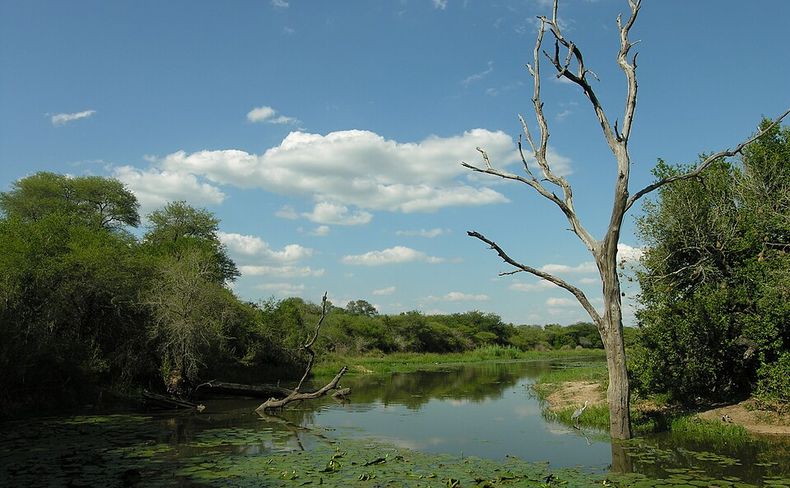
Plan safari vehicles, room access, airport transfers and rest time around an older parent's preferences, with practical questions to settle before booking.
Plan a safari with an older parent around the journey they want to enjoy: manageable transfers, a comfortable way to view wildlife, accommodation that meets their access needs and enough time to rest. Start with those details before comparing lodge photographs or the number of reserves on an itinerary.
There is no single safari format that suits everyone of a particular age. Someone who enjoys a daily walk may still have specific needs when boarding a high vehicle, spending several hours seated or moving around an unfamiliar room. Ask your parent what matters to them and build the booking brief together.
Turn a broad safari wish into a practical brief
A traveller planning a safari with an 85-year-old mother asks whether South Africa or Tanzania would be the better choice. The parent walks regularly and does not need an elaborate luxury experience. It is a useful reminder that a star rating or a statement about general fitness cannot answer the practical questions on its own.
Write down the experiences your parent most wants: watching elephants, spending time at a waterhole, photography, birdwatching or simply being in the bush together. Then identify preferences about early starts, sitting time, steps, bathrooms and assistance. Give that brief to the operator and ask for specific answers about the proposed trip.
Check the vehicle before choosing the game drive
Request current photographs of the vehicle you would actually use, including its entry steps and passenger seating. Ask how high the first step is, what handholds are available, whether boarding assistance is offered and whether the arrangement meets your parent's needs. A general description such as comfortable safari vehicle is not enough detail.
Ask about drive duration, terrain, toilet arrangements and the possibility of returning early. A private vehicle may offer more scheduling flexibility, but confirm the operator's arrangements and additional cost. Do not assume a shared drive can be shortened for one guest or that every lodge has an adapted vehicle.
SANParks describes Kruger morning drives as approximately 3 to 3.5 hours, sunset drives as around three hours and night drives as around two hours. Departure times vary with the season. These examples help you ask concrete questions; they are not promises about another operator's programme.
Compare self-drive and lodge-based safaris
A self-drive stay lets the family choose when to set out, which permitted roads to use and when to return to camp. It also means taking responsibility for driving, navigation, meals and the daily plan. Consider who will do that work and whether the vehicle itself meets everyone's needs.
A lodge-based stay can bring accommodation, meals and guided activities into one arrangement. Examine the actual inclusions and daily timetable. Ask whether your parent can comfortably spend time at the lodge while others join an activity, and what assistance or facilities are available during that period.
Neither format is automatically smoother, easier or more accessible. Compare the specific vehicle, roads, room and staff arrangements in the quotes you receive. Choose the version that reduces the tasks your family would find most demanding.
Verify the room and the route to shared spaces
SANParks publishes camp-specific Kruger accessibility information, including designated accommodation categories and information about visitor facilities. Use the relevant profile as a starting point, then confirm the exact unit and current arrangements before booking.
Ask about the entire route from the vehicle drop-off to the room, dining area and bathroom. Establish the walking distance, steps, gradients, path surface and lighting. If particular bathroom features or doorway dimensions matter, request measurements and photographs rather than relying on an accessible label.
South Africa's Department of Tourism describes accessibility as supporting independent travel with dignity, including people with mobility, hearing, vision and other access requirements. That is a useful planning principle: ask about the person's actual requirements and preferences, without assuming that age implies a particular disability.
Check the airport transfer as carefully as the safari
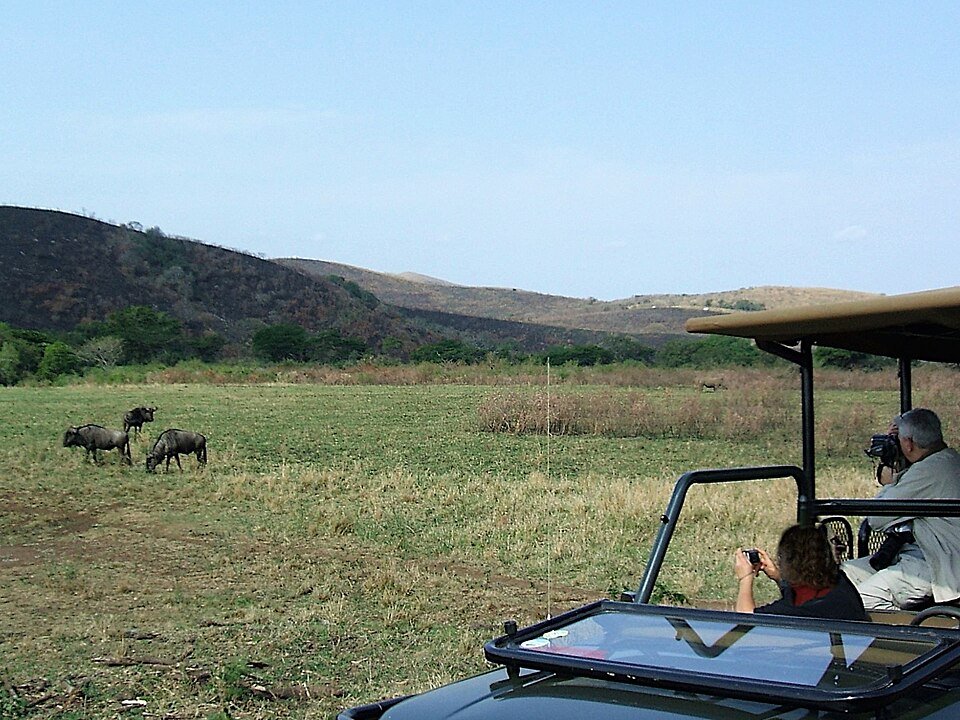
A short connection can still involve a vehicle that is difficult to board. For example, Kapama's own travel page describes transfers from Hoedspruit Airport in open game-viewing vehicles. Ask the provider about the exact boarding arrangement and whether an alternative can be organised if needed. This is an example of a detail to verify, rather than a general accessibility endorsement.
Compare the complete arrival sequence, including luggage, airport assistance, the onward vehicle and the final reserve section. If aircraft size also matters, our safari without small planes guide explains the separate flight and road-transfer choices.
Leave room for a slower day
A satisfying safari does not require filling every morning and evening. Agree on a flexible rhythm before booking: a wildlife activity, time for a meal, a rest and the option of staying in camp. Ask what can be changed without affecting the rest of the group and what must be arranged in advance.
Consider one suitable base before adding several lodge moves. Each move requires packing, checking out, travelling and settling in again. A second reserve should add an experience your parent wants enough to justify that disruption.
Get individual advice where the booking questions end
This guide covers travel arrangements, not medical fitness or treatment. Discuss personal health questions with a qualified clinician and check relevant requirements with the airline and insurer. Do not use a lodge's general reassurance as a substitute for individual advice.
Before paying, keep the agreed vehicle, room, assistance and transfer details with your booking confirmation. If the holiday continues to Cape Town, check access requirements separately for that stay and view Aqua Terra availability in Simon's Town for the Cape Peninsula portion.
Featured photograph: Lake Panic in Kruger, February 2007, by Chris Eason, CC BY 2.0. Web reproduction; featured image resized and cropped for website display. Archival scenery does not establish current facility access. Research and editorial review: Aqua Terra, 2 November 2026.
Further Reading
Cederberg Rock Art Without Long Hikes: Sevilla and Stadsaal
Mon November 2, 2026
Read This Article
Coffee Bay, Morgan Bay or Chintsa for a Family Holiday?
Mon November 2, 2026
Read This Article
Compare Coffee Bay, Morgan Bay and Chintsa for a family holiday, including arrival plans, accommodation, beach access and what to check before booking.
Can You Visit the Drakensberg Without Hiring a Car?
Mon November 2, 2026
Read This Article
Plan a Drakensberg holiday without a rental car: arrange arrival transfers, trailhead transport, guided outings and your return journey.


Share This Post