


Visiting Simon's Town for the Cape Point Triathlon on Sunday, 25 October 2026? Plan your parking, road access and spectator day with this practical local guide.
Robben Island or Boulders Beach: Which Fits a Short Cape Town Trip?
Posted on Tue September 8, 2026.
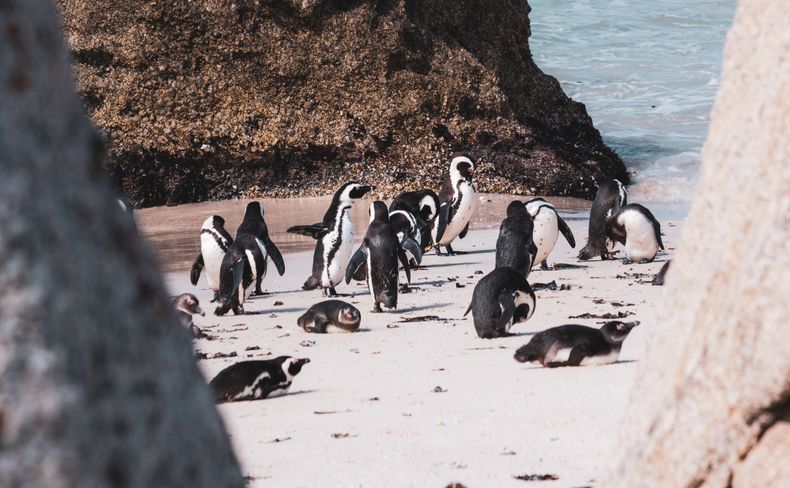
A practical comparison of Robben Island and Boulders Beach for travellers with limited Cape Town time, including duration, weather risk, transport and the best two-day plan.
NTRODUCTION
If you only have a few days in Cape Town, should you visit Robben Island or Boulders Beach?
The answer depends on what you want from your Cape Town experience.
Choose Robben Island for history. Choose Boulders Beach for African penguins, ocean views and the Cape Peninsula.
Both are unforgettable, but they are very different experiences.
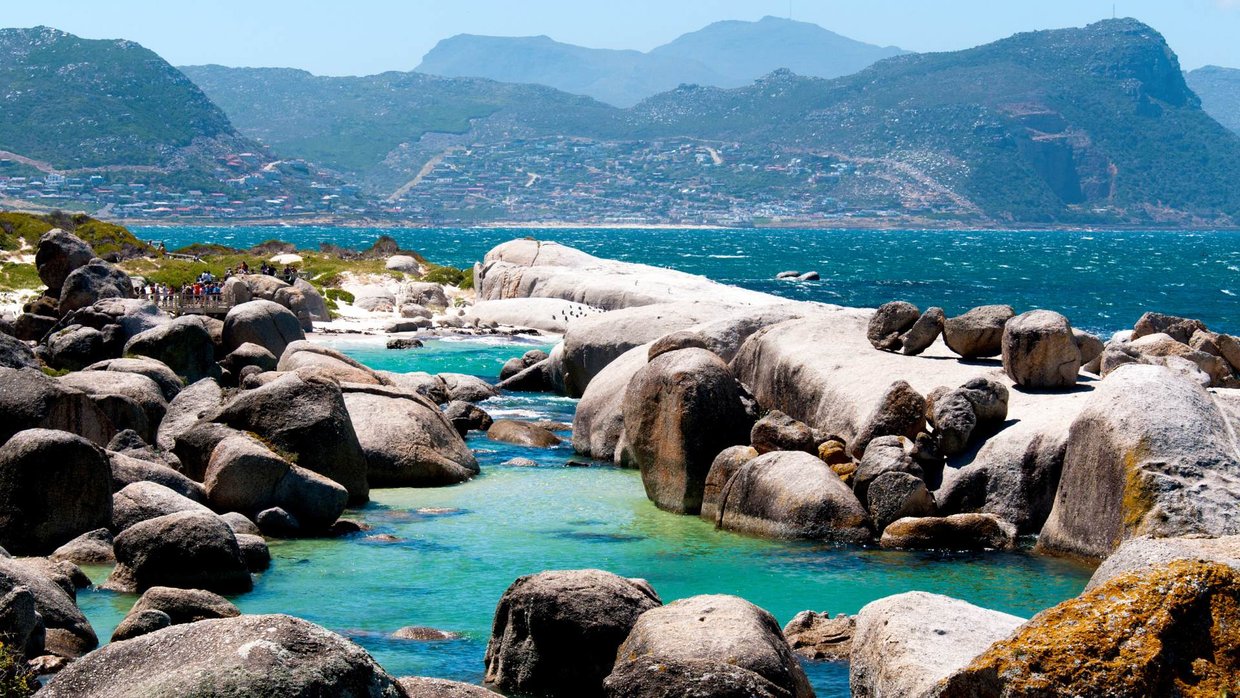
ROBben Island: CHOOSE HISTORY
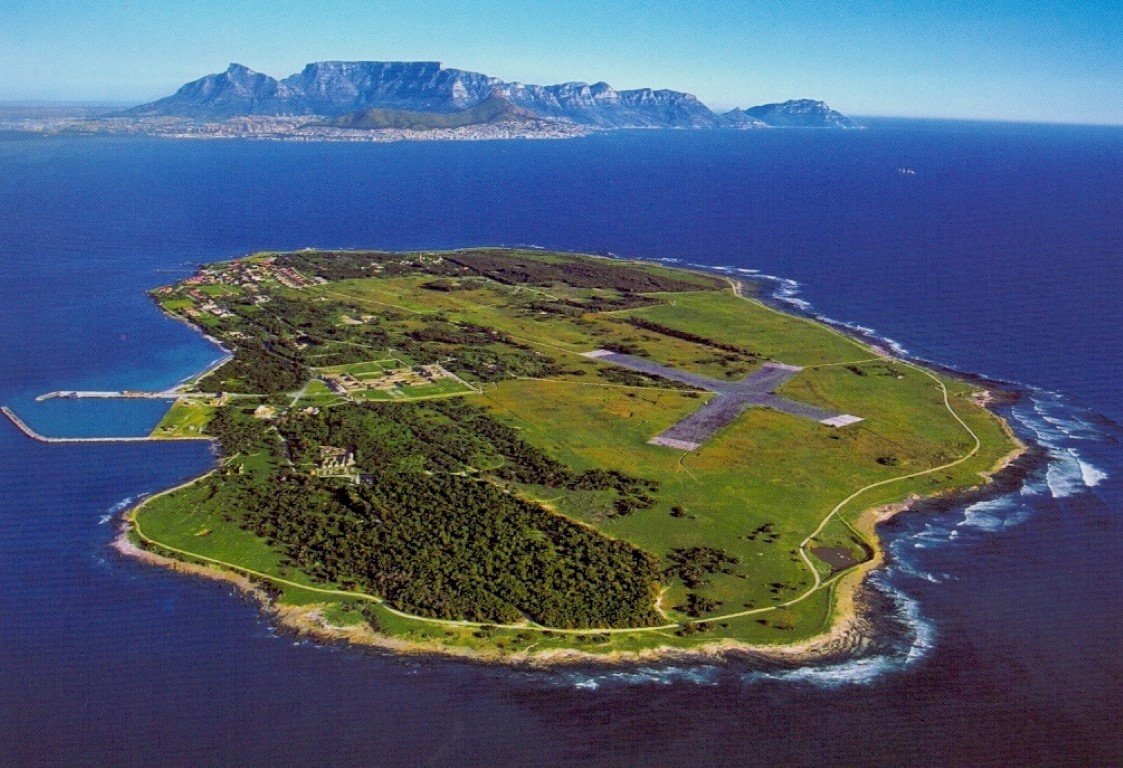
Robben Island is the stronger choice if South African history is one of the main reasons for your visit.
Departing from the V&A Waterfront, the experience takes several hours and includes the ferry journey and a guided visit on the island. It is structured, educational and emotionally significant.
Allow at least half a day and avoid combining it with tightly timed activities afterwards. Ferry schedules can also be affected by sea conditions.
If Robben Island is high on your list, book it early in your Cape Town stay so you have flexibility if weather disrupts your plans.
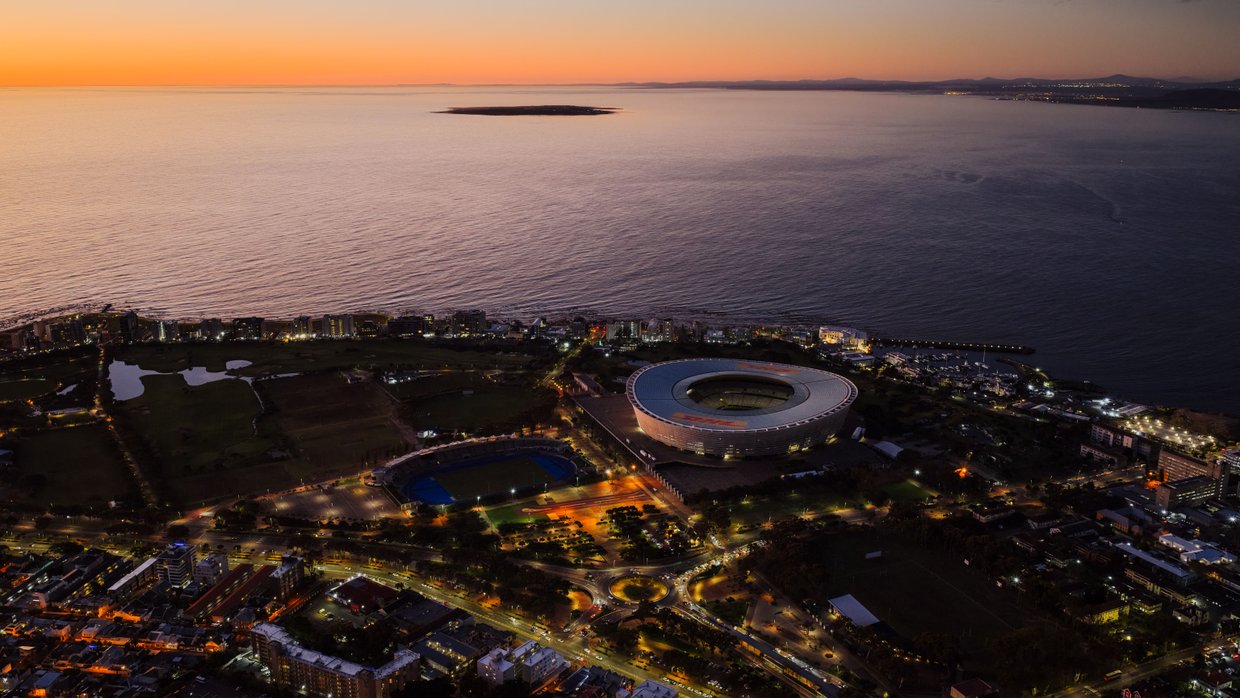
BOULDERS BEACH: CHOOSE THE PENGUINS
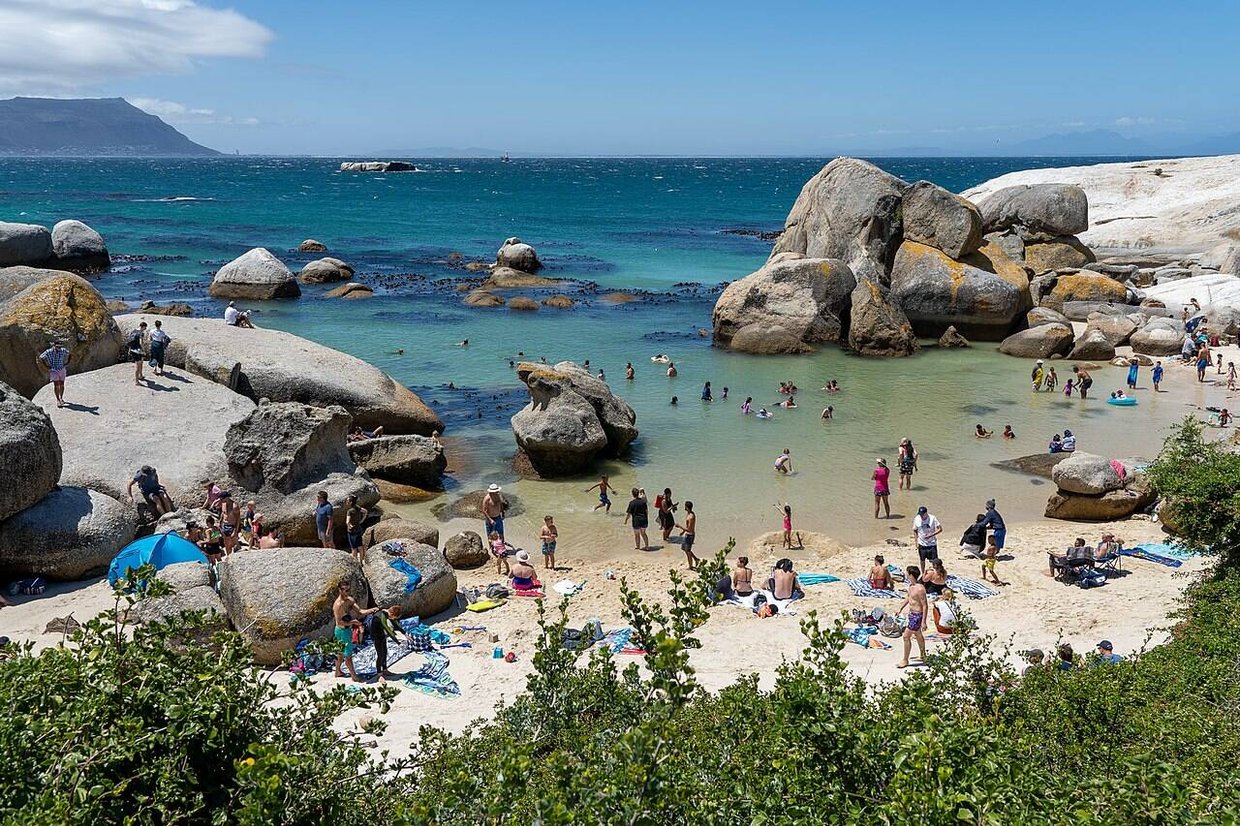
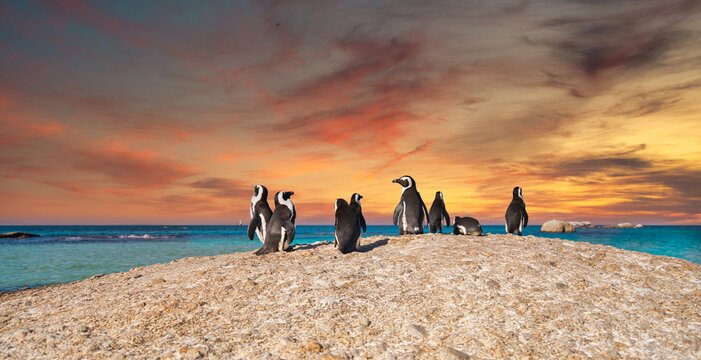
For wildlife, scenery and a classic Cape Peninsula experience, choose Boulders Beach.
Just outside Simon's Town, Boulders is home to a famous colony of African penguins. The protected boardwalks provide wonderful viewing opportunities, while the surrounding granite boulders, clear water and False Bay coastline make this one of Cape Town's most memorable coastal stops.
Allow around 90 minutes to two hours rather than rushing through.
And don't leave immediately afterwards.
Simon's Town itself is worth exploring, with its historic harbour, waterfront, beaches and restaurants.
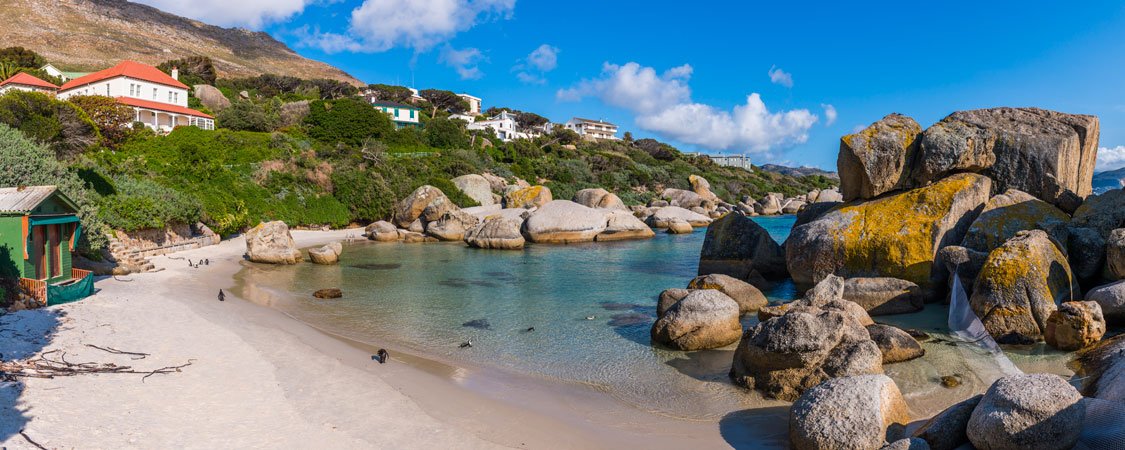
BOULDERS BEACH AND CAPE POINT IN ONE DAY
One of the biggest advantages of Boulders Beach is that it fits naturally into a Cape Peninsula day trip.
A relaxed itinerary could include:
Morning: Boulders Beach and the African penguins
Late morning: Explore Simon's Town
Lunch: Enjoy a meal along the Peninsula
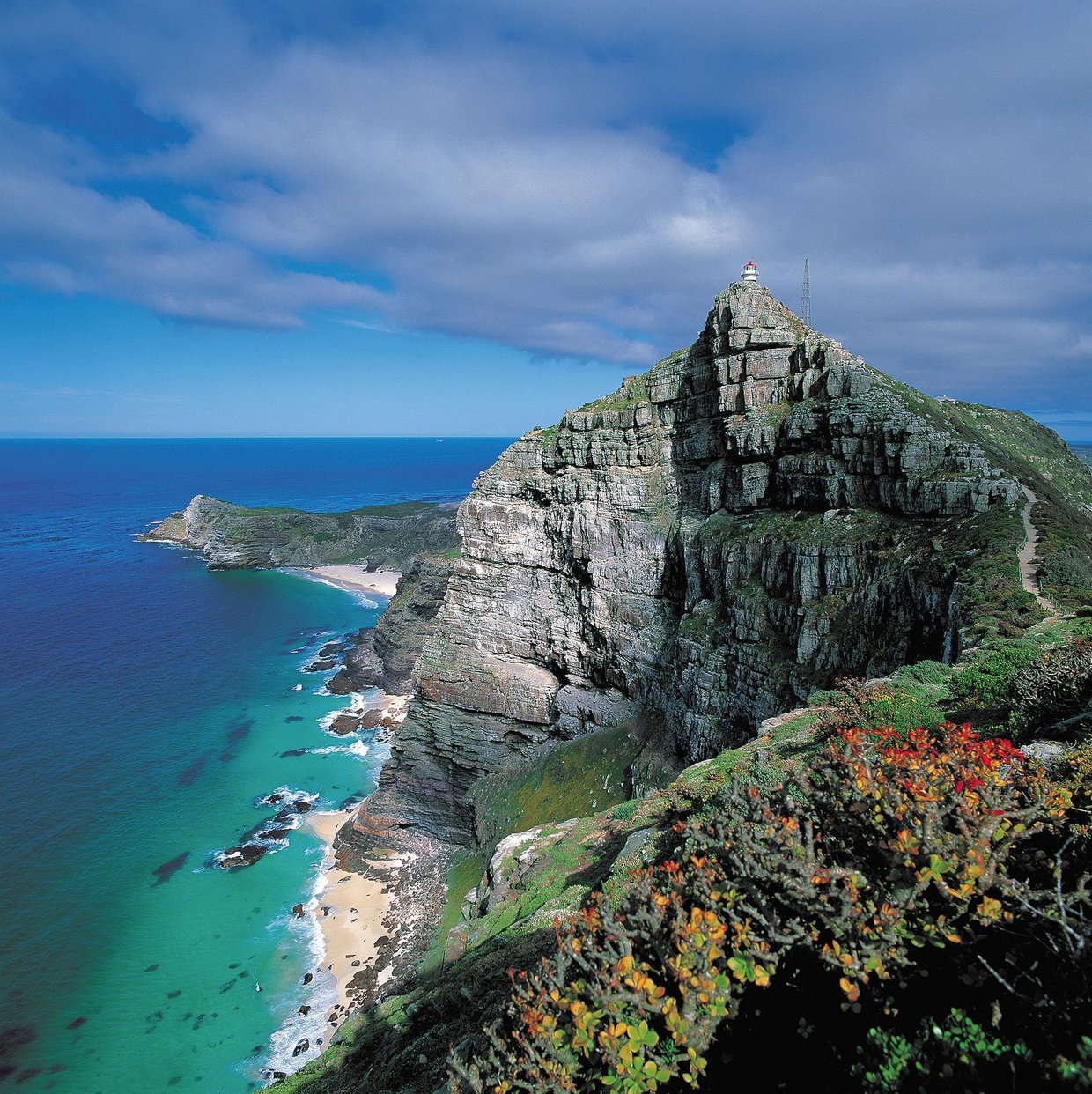
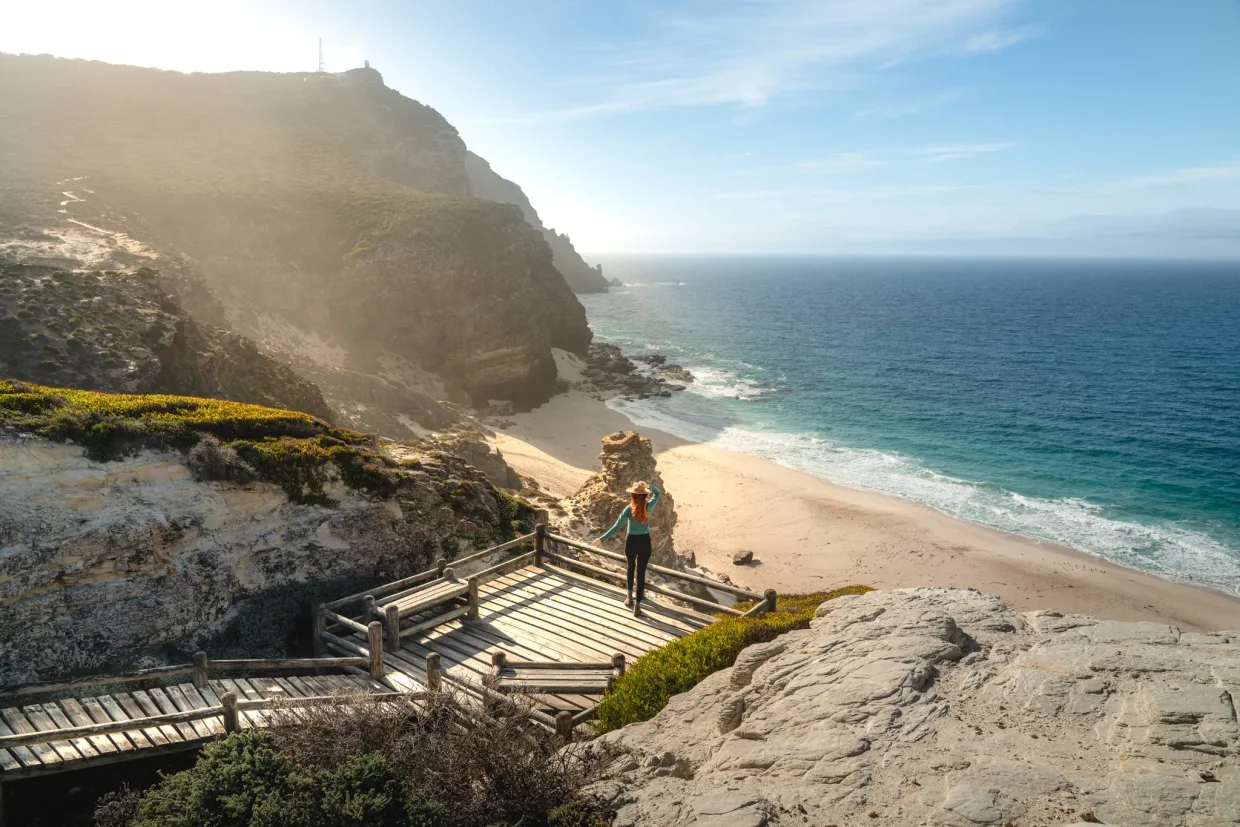
Afternoon: Cape Point and the Cape of Good Hope
The exact order can change depending on weather, traffic and crowds.
This is one reason staying in Simon's Town is so convenient. You are already on the Peninsula rather than driving from central Cape Town and back.
CAN YOU VISIT BOTH IN ONE DAY?
Technically, yes.
Would we recommend it? Usually not.
Robben Island requires a fixed ferry schedule, while Boulders Beach and Cape Point are much more flexible. A delayed ferry, traffic or poor weather can quickly turn the day into a race.
If you have no choice but to combine them, make Robben Island your first major activity and Boulders your second. Don't add Cape Point as well.
ROBBEN ISLAND OR BOULDERS BEACH WITH CHILDREN?
Boulders Beach is generally the easier family experience. Penguins, beaches and shorter flexible stops work well with children.
Robben Island is better suited to older children and teenagers who are interested in history and comfortable with a longer, structured experience.
WHAT IF YOU HAVE FOUR OR MORE NIGHTS?
Don't choose.
Do both on separate days.
Give Robben Island its own half day, then dedicate another day to Boulders Beach, Simon's Town and Cape Point.
This gives you something that many rushed Cape Town itineraries don't have: flexibility.
WHY STAY IN SIMON'S TOWN?
Staying on the Cape Peninsula means you can experience Boulders Beach, False Bay, Cape Point, beaches, marine wildlife and Simon's Town without spending hours driving back and forth from the city.
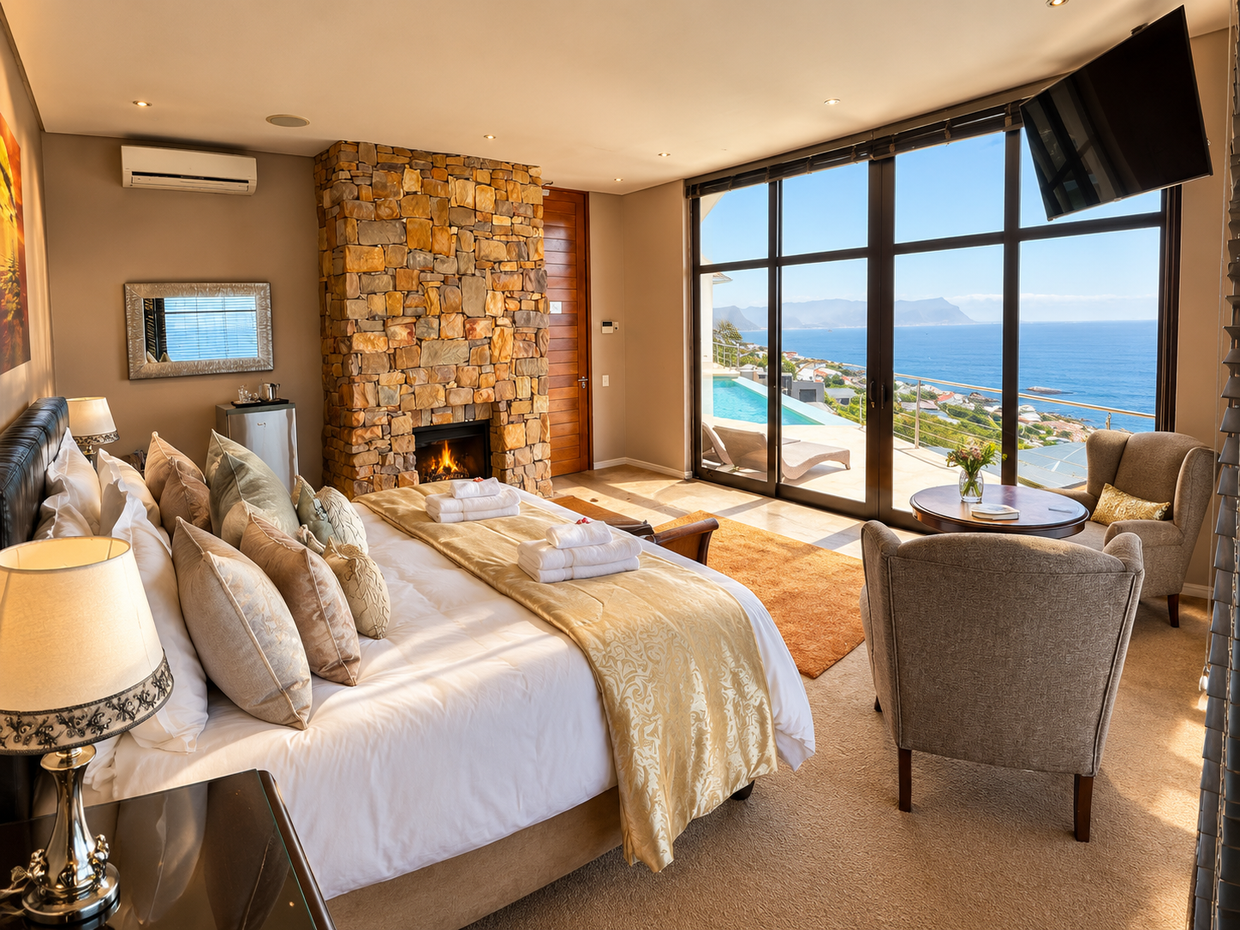
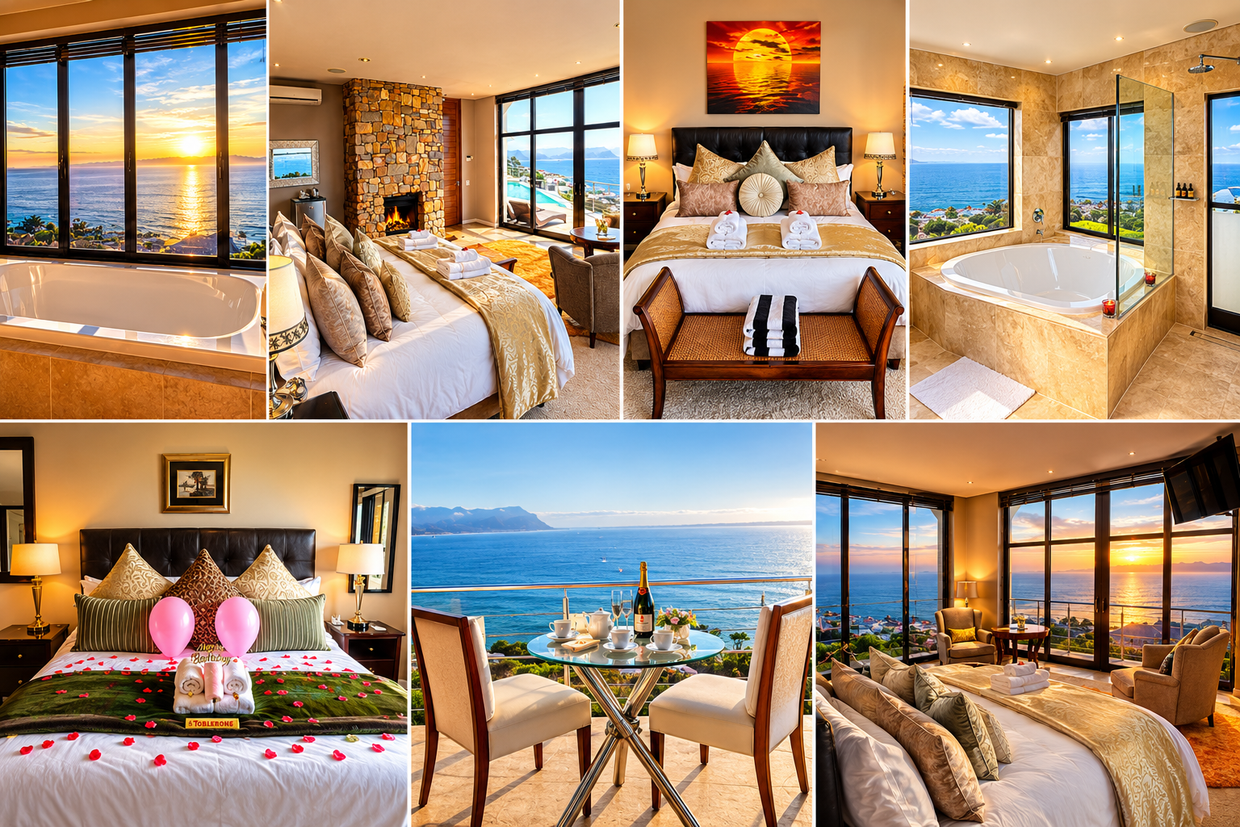
At Aqua Terra Boutique Guesthouse, you wake high above False Bay, surrounded by sweeping ocean views and within easy reach of the Cape Peninsula's most memorable experiences.
See the penguins. Explore Cape Point. Watch the ocean. Then come home to the view.
THE BOTTOM LINE
History first? Choose Robben Island.
Wildlife and scenery? Choose Boulders Beach.
Four or more nights? Do both.
And if Boulders Beach, Cape Point and the ocean are calling, consider staying in Simon's Town and turning the Peninsula into part of your holiday, rather than simply a day trip.
Wake above False Bay. Explore the Cape. Stay beautifully.
Book direct with Aqua Terra Boutique Guesthouse.
Further Reading
Cape Point Triathlon 2026: Simon's Town Parking and Race-Day Guide
Wed October 21, 2026
Read This Article
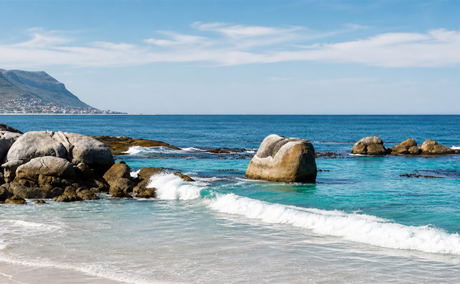
Is Cape Town Too Hot in January? A Cape Peninsula Planning Guide
Tue September 29, 2026
Read This Article
January can be sunny, hot and windy in Cape Town. Here is a flexible plan for heat-sensitive travellers exploring the city, Simon's Town and the Peninsula.
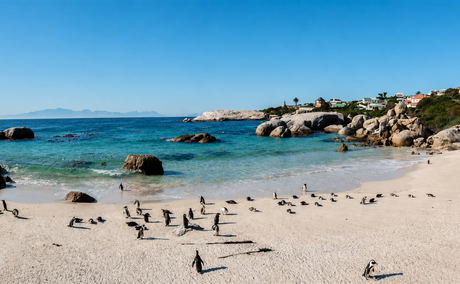
Can You Swim with Penguins at Boulders Beach? What to Expect
Wed September 23, 2026
Read This Article
Yes, swimming is allowed at Boulders Beach, and a penguin may pass nearby. It is not a managed animal encounter, so give the birds space, watch the tide and swim at your own risk.
Share This Post