


Compare Sevilla, Stadsaal and Truitjieskraal for a Cederberg rock-art trip, with walking expectations, permits and essential road-access checks.
Richtersveld Self-Drive: What to Prepare Before You Go
Posted on Mon November 2, 2026.
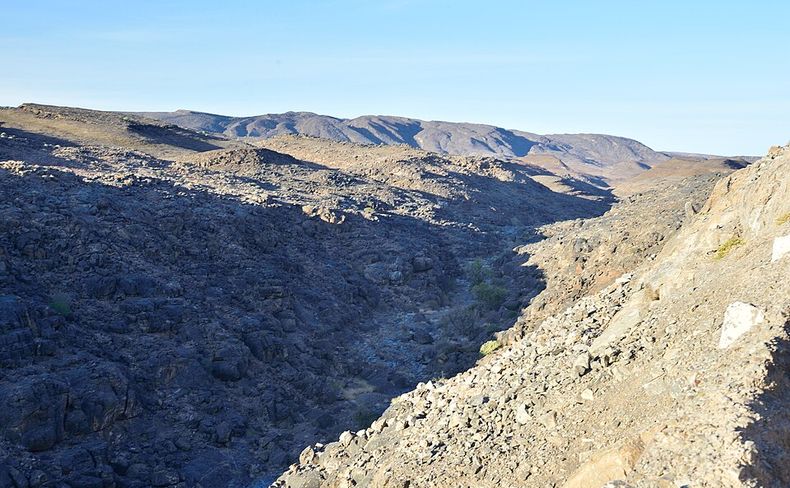
Prepare a Richtersveld self-drive around current access notices, vehicle requirements, permit reporting, camp facilities, supplies and communications.
A Richtersveld self-drive is a remote journey that needs more preparation than an ordinary road holiday. For the South African side of |Ai-|Ais/Richtersveld Transfrontier Park, start with a suitable 4x4, experience appropriate to the terrain, confirmed accommodation and a plan for supplies, communication and reporting back. Reaching the reception area does not establish that your vehicle can continue to a remote campsite.
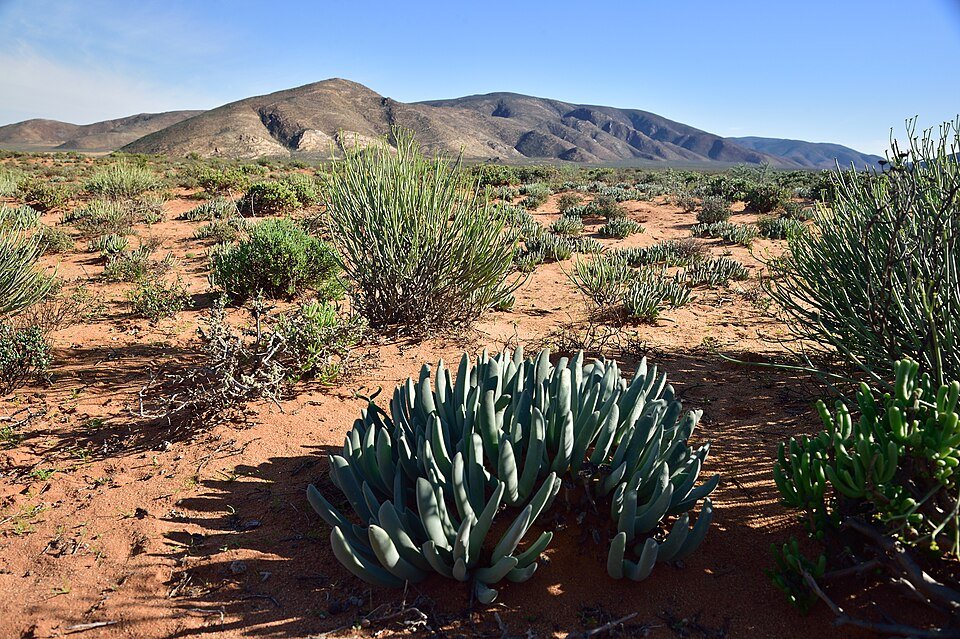
The reward is time among mountains, unusual succulent vegetation and the Orange River landscape. Build the itinerary around that setting rather than trying to collect every pass and camp. Fewer moves can leave more time to enjoy a place that takes effort to reach.
First decide which Richtersveld journey you mean
The regional name appears in accommodation, cultural heritage and national park itineraries. Check the actual location and booking authority for every overnight stop. A guesthouse in a community settlement and a campsite inside the national park involve different access arrangements. This guide concentrates on preparing for a self-drive inside the South African park, with surrounding community visits treated as separate arrangements.
SANParks identifies Sendelingsdrift as the main South African entrance. Its directions distinguish the approach from travelling inside the park. Read them alongside current notices, then ask the park to confirm the route that fits your booked camp and vehicle. Do not assume an old GPS track provides permission to enter or camp.
Check the pontoon before making cross-border plans
On 2 November 2026, the official park page displayed a notice dated 7 October 2026 stating that the pontoon was temporarily closed because of high Orange River water levels, until further notice. An earlier September update also described the closure and a road alternative via Oranjemund and Alexander Bay.
That is a dated access observation, not a prediction for your departure. Recheck the current notice and contact the park before relying on any crossing. If the journey involves Namibia, confirm the operating border route and the documentation required for your people, vehicle and rental agreement with the relevant authorities and supplier. A transfrontier park name does not remove border formalities.
Leave room to change the route if the crossing remains unavailable. Do not keep a tightly spaced onward booking merely because a mapping app draws a short line across the river.
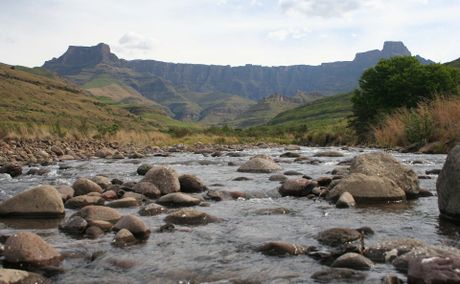
Featured photograph: Richtersveld mountains, photographed on 2 July 2015 by South African Tourism, via Wikimedia Commons, CC BY 2.0. Archival landscape, not a current access or road report. The featured presentation may resize or crop the photograph.
Match the vehicle and driver to the route
The park's visitor tips require a 4x4 to traverse the park. Its travel page also describes deep sand and rough mountain passes, recommends travelling in convoy, and says sedan vehicles are not permitted. Treat those requirements as the starting point for a conversation with the park and your vehicle supplier.
Specify the actual model, equipment and any trailer. Ask about permitted routes, current restrictions, rental cover and support arrangements. A vehicle badge alone does not establish either capability or driver competence. If you have not driven comparable terrain, consider appropriate training or an experienced guided arrangement before committing to an independent remote trip.
This article does not provide tyre-pressure settings, recovery procedures, water-crossing techniques or instructions for difficult passes. Those decisions depend on the vehicle, load and conditions and belong with qualified practical guidance. An attractive photograph cannot supply that guidance.
Plan check-in separately from the last gate time
SANParks says admission and overnight permits must be obtained at Sendelingsdrift before entering. Its travel guidance tells overnight visitors to arrive before 16:00 so they can reach camping sites before dark, and prohibits driving in the park at night. A gate's later advertised exit time should not be mistaken for permission to start a long camp transfer late in the day.
Confirm your reporting time, current route and expected travel allowance directly with the park. The gate information page asks visitors to complete the registration and indemnity form and present identification. Save the current paperwork and booking details before losing reliable connectivity.
The travel page also says single vehicles must sign an agreement to report back to headquarters on departure. Confirm that procedure, and make sure everyone in your group understands it. A convoy recommendation is not a guarantee of rescue or an exemption from individual preparation.
Book the camp, then build the supply plan
Check the facilities at the exact campsite or unit you reserve. Ask about drinking water, ablutions, cooking arrangements, power and waste removal rather than transferring the facilities of one camp to another. Calculate food and water needs for the whole party with an appropriate contingency, using current park advice. Do not rely on a restaurant mentioned in an old trip report.
SANParks' visitor list calls for an extra spare wheel, tools, spares, food and additional water containers. It also requires visitors to remove their rubbish and prohibits collecting firewood and natural material. Pack so that you can comply throughout the stay, not only on the first night.
Make communication and flexibility part of the booking
The official vital information limits cellular reception to the reception area or Sendelingsdrift and recommends a satellite phone if available. Confirm current communication options and emergency arrangements before leaving reception. Share the agreed itinerary and reporting plan with a reliable contact.
Keep an unhurried arrival and departure day, and avoid building the trip around a sequence of assumed fast transfers. If the park advises changing or shortening a route, let that determine the day. Ask for current conservation charges and accommodation quotations; an expired tariff table should not become your budget.
For a separate Cape Peninsula stage before or after the Northern Cape journey, check Aqua Terra availability in Simon's Town. Allow the travel between regions its own place in the itinerary.
Editorial review: Aqua Terra editorial team, 2 November 2026. Reconfirm access notices, vehicle requirements and park instructions before travel.
Further Reading
Cederberg Rock Art Without Long Hikes: Sevilla and Stadsaal
Mon November 2, 2026
Read This Article
Coffee Bay, Morgan Bay or Chintsa for a Family Holiday?
Mon November 2, 2026
Read This Article
Compare Coffee Bay, Morgan Bay and Chintsa for a family holiday, including arrival plans, accommodation, beach access and what to check before booking.
Can You Visit the Drakensberg Without Hiring a Car?
Mon November 2, 2026
Read This Article
Plan a Drakensberg holiday without a rental car: arrange arrival transfers, trailhead transport, guided outings and your return journey.



Share This Post