


A confirmed meeting point, an offline copy and a way to verify your ride make a Cape Town Airport arrival easier when mobile data is unavailable.
Cape Peninsula Birdwatching on Land: Plan a Specialist Day
Posted on Tue November 17, 2026.
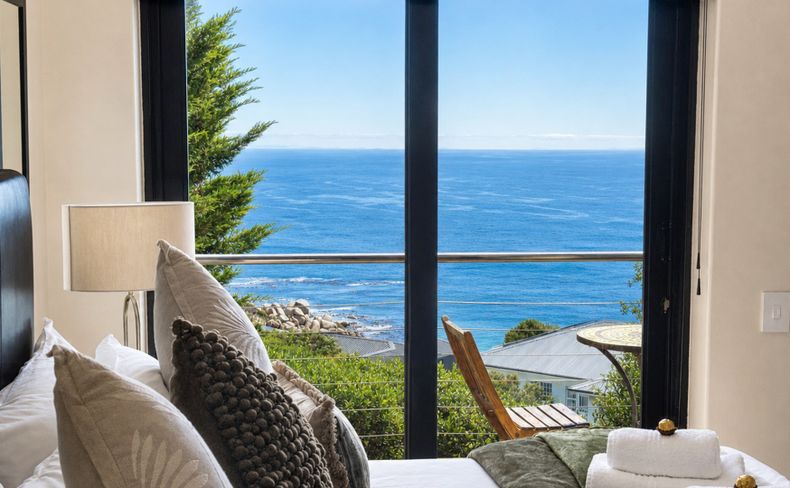
Choose habitats and a pace that suit your party, confirm the actual guided route and keep birding separate from a rushed sightseeing circuit.
Choose a Cape Peninsula land-birding day by the habitats and birds that interest you, then confirm a route that suits everyone travelling. Fynbos, garden edges, wetlands and rocky shorelines offer different opportunities. A specialist day can be worthwhile when identification, local knowledge and a suitable pace matter more than completing the usual sightseeing circuit.
For a Simon’s Town stay, establish whether your guide will collect you locally and which sites are actually included. A tour labelled Cape Peninsula does not necessarily spend most of the day at Cape Point.
Choose habitats before building a species list
BirdLife South Africa’s Cape of Good Hope site guide identifies fynbos birds such as Cape Sugarbird and Orange-breasted Sunbird, coastal thicket species and shorebirds within the reserve. It also describes land-based sea-watching, which is different from joining an offshore pelagic boat.
Keep your priorities realistic. A few birds you would particularly like to observe can help a guide shape the day, while a long list copied from another visitor’s report can turn it into a rushed search. Sightings depend on conditions and bird activity, not only the number of stops.
The Cape Bird Club’s reserve guide notes that bird density in fynbos can be low and describes Cape Sugarbird and Orange-breasted Sunbird as conspicuous during spring flowering. That gives seasonal context, rather than a guarantee of birds at a particular plant or viewpoint.
Check what a specialist Peninsula tour includes
Birding Ecotours’ published one-day Peninsula itinerary, for example, describes garden and wetland birding, with an African Penguin colony visit. It says Cape Point is not typically part of the ordinary birding day, but may be considered for interested guests.
Use that distinction when requesting a quote. If Cape Point’s fynbos and coastline are your priority, say so before booking. Ask which stops are proposed, what admission fees are included, the expected time in the vehicle and the walking involved. Do not assume an itinerary map means every named site can be covered comfortably.
Confirm the guide, group size, pickup address, start time, return window and weather arrangements. A reference to collection at a Cape Town hotel does not by itself confirm collection from Rocklands in Simon’s Town.
Make the pace suit the actual guests
Explain the walking distance, surfaces and breaks your party prefers. Ask about steps, uneven paths, toilets and whether meaningful viewing is possible with shorter walks. Age alone is insufficient to decide which route will be enjoyable, so describe the practical requirements directly.
If one person is a keen birder and another enjoys scenery, agree that balance before departure. A garden stop or an unhurried coastal lunch may matter as much as adding another habitat. A private specialist day should have a clear brief, rather than an expectation that the guide will infer everyone’s interests.
What if you prefer an independent Cape Point visit?
Use the specialist site guides alongside the park’s current access information, weather and on-site instructions. Keep to permitted routes, choose lawful stopping places and give wildlife space. Do not stop abruptly in the road, enter restricted areas or approach nests to improve a photograph.
Allow time to observe rather than treating a birding stop as another quick photograph. Bring suitable binoculars if you use them and ask about any equipment supplied on a guided trip. BirdLife notes that a telescope is generally useful for the best views of distant pelagic species from land; ordinary sightseeing views and specialist sea-watching are different expectations.
For gate access and the wider day, use our Cape Point and Boulders planning guide. If a boat is also on your itinerary, the pelagic birding stay guide explains the separate weather-window decision.
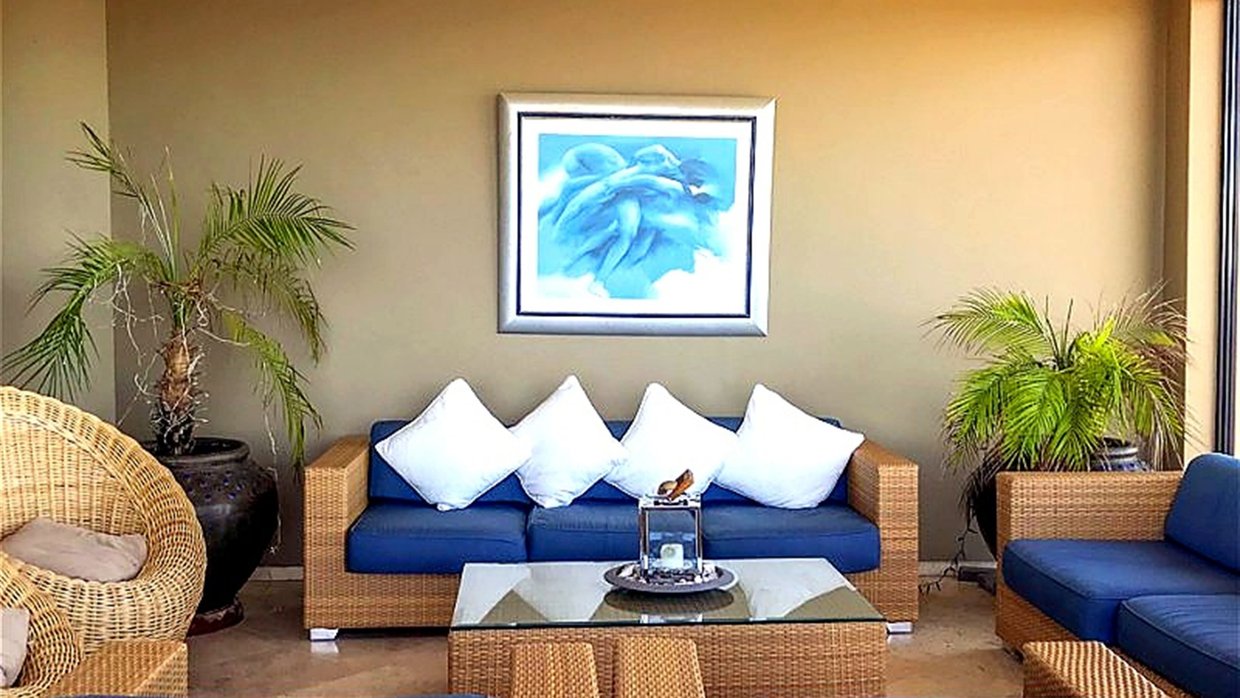
Aqua Terra welcomes adults and families with children aged 4 or younger or 12 and older, subject to suitable rooming and availability. Children aged 5 through 11 are outside the standard age policy. Confirm each child’s age at the time of the stay and the room occupancy before booking.
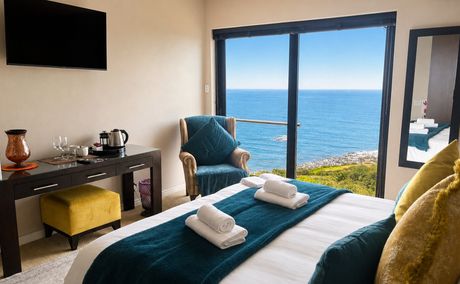
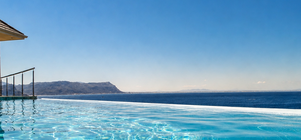
The photographs show Aqua Terra accommodation, not a birding site, a particular bird or an included guided tour.
Give the coastal stay enough usable time
With two nights, an arrival afternoon and one full birding day can form a straightforward coastal break. A third night gives you another day for Boulders, Cape Point or a companion’s preferred outing. These are options to compare with your route and live accommodation dates.
Aqua Terra has five suites above False Bay, with rooming confirmed for your party. Check individual access and bathroom features before choosing a room. Breakfast is normally served from 08:00 to 10:00; an early birding departure does not imply an early meal or packed food.
Check Aqua Terra’s live dates for your Peninsula stay, or Contact us on WhatsApp about suitable rooms and the accommodation part of your plans.
By Aqua Terra’s editorial team. Specialist and conservation sources reviewed 17 November 2026. Confirm current access, route, fees and guiding arrangements. No wildlife sighting or operator partnership is promised.
Further Reading
No Mobile Data at Cape Town Airport? Plan Your Ride Before You Land
Sun November 22, 2026
Read This Article
Two Nights After a Cape Town Business Trip: Stay in the City or Simon’s Town?
Sun November 22, 2026
Read This Article
Two extra nights after work can buy a full day on the Cape Peninsula. Compare keeping your city room with moving to Simon’s Town.
Early Arrival in Cape Town: Should You Book the Night Before?
Sat November 21, 2026
Read This Article
Landing hours before check-in? Work out when you actually need the room, what the property can confirm and which night to put on your booking.
Share This Post